Unhealthy Shower Habits

Rajeev Verma Published on 31-October-2024

Everyone has bad habits, but when it comes to how you shower, many people don’t even realize that they were doing bad habits in the first place. From personal hygiene to unhealthy practices will surprise you!

  1. Rubbing Yourself Dry With Towels
    This shower habit is one almost everyone is guilty of. Using a towel to rub and scrub ourselves dry feels normal. But this isn’t good for your skin! Doing this can irritate your skin and cause it to dry out more easily, even right after a shower. Gently patting yourself dry with a towel is a great way to be kind to your skin and hair. By taking the time to pat, you’re not only being gentle on your skin and hair, but you’re also allowing them to air dry naturally, which can further promote their health. So, next time after taking a shower, remember to pat yourself dry with a towel for a more gentle and nurturing drying process.
  2. Showering Too Often. Yes, it’s possible to clean yourself too much! Your skin has natural oils that keep it safe, and showering too often gets rid of those natural oils, which can actually make your skin more dry. When your skin is dry, it develops small cracks, and bacteria can slip into those. So, showering too often might make you feel clean, but it could actually make you sick. Outside of really hot and humid climates, you generally don’t need to shower daily.
  3. Body Wash on Your Face. Some of us like to use body wash on our face because the face is part of the body, right? But body wash is not intended for that. Body wash tends to have oils that are too harsh for the thinner, more sensitive skin on your face.If you absolutely must use body wash for your face, consider using moisturizer afterward, too.
  4. Washing your Hair Every Day. Just like your skin, your hair has a carefully balanced biome that can be destroyed if you wash it too often. Washing your hair does eliminate bad bacteria, but guess what… some of that bacteria is actually good for your hair! They help balance the pH of your hair. If that pH is disrupted, your scalp can get irritated, you might have inflammation, or your hair will dry out and break more easily. Remember, it’s best to wash your hair only about twice a week.
  5. Avoiding Cold Showers. Most people avoid a cold shower. But science says that a cold shower can actually be good for you! People who endure a cold blast of water for 30 to 90 seconds are 30% less susceptible to illness. Cold shower improves your mood. So, this would be a good habit to learn even if it’s only for a brief time in each shower.
  6. Avoid Scorching Hot Showers. We already talked about how cold showers can help you, but are warm showers actually bad? Well, no, but very hot water can be, even if you’re the type of person who can tolerate it. As with most shower problems, the issue here is how that super-hot water strips natural oils off of your skin. Hot water does it even faster than cooler water, and as you age, your skin gets thinner, making it even more of a problem. So turn down the heat!
  7. Clean the Tub More Frequently. The hygiene habit everyone needs to learn is to clean your shower more often. Just think about it: this is where you go to wash off dirt, grime, germs, and other nasty things. Most of it goes down the drain, but not all of it. Some are going to end up in your tub.
  8. Shower after exercising. Most people shower after working up a sweat, but if you don’t, you should consider doing it. It’s science: leftover sweat on your skin provides a place for bacteria to breed, and that could lead to rashes, acne, or worse. Not only will it be better for your health, but it will most definitely be better for your body odor! The longer you let old sweat stick around, the more problems it will cause you.
  9. Don’t Shower With Hard Water
    Water with lots of calcium and magnesium in it is considered “hard.” They can react with the chemicals in your shower products and even your soaps, which can make them less effective. Hard water can also really do a number on your hair. To avoid hard water, invest in a shower filter or perhaps a water softener. This will be better for your hygiene and will even help with the buildup of things like limescale in your tub.

Myths about Masturbation

Rajeev Verma Published on 26-October-2024

Masturbation, a natural and common activity, involves self-stimulation of the genitals and is generally considered a normal part of human sexuality. Most medical experts agree that it’s a safe way to explore one’s body, experience pleasure, and release built-up sexual tension.

Advantages of Masturbation

1. Stress Relief and Relaxation: Masturbation triggers the release of endorphins, dopamine, and oxytocin, which are mood-enhancing hormones. This can help reduce stress, relax the body, and promote better sleep.

2. Improved Mood and Emotional Well-being: The release of endorphins can also combat feelings of sadness and anxiety. Masturbation can be a natural way to boost mood, especially when someone is feeling lonely or stressed.

3. Better Sexual Awareness: Masturbation allows individuals to explore their bodies and understand their preferences, making it easier to communicate these preferences with a partner. This knowledge can enhance satisfaction in sexual relationships.

4. Pain Relief: For some, masturbation can alleviate pain, including menstrual cramps or tension headaches. The release of hormones during orgasm may relax muscles and reduce discomfort.

5. Improved Sleep: Orgasms can promote relaxation, making it easier to fall asleep. This is partly due to the hormonal changes and the general relaxation of muscles after climax.

6. Reduced Risk of Prostate Cancer: Studies have indicated that men who ejaculate more frequently may have a lower risk of prostate cancer. Regular ejaculation may help clear out potentially harmful substances from the prostate.

7. No Risk of Pregnancy or STIs: Since masturbation is a solo activity, there’s no risk of pregnancy or sexually transmitted infections, making it a safe sexual activity from a health perspective.

Disadvantages and Potential Downsides

1. Potential for Guilt or Shame: Societal or cultural beliefs can lead some people to feel guilty or ashamed of masturbation, which can impact mental well-being. Addressing and understanding these feelings can help mitigate them.

2. Addictive Behavior: For some individuals, excessive masturbation can become a compulsive behavior, interfering with daily life, work, or relationships. When it disrupts normal functioning, it may be beneficial to seek guidance from a mental health professional.

3. Physical Discomfort: Repeated or aggressive masturbation can sometimes lead to irritation, soreness, or minor injuries to the genitals. Using lubrication and being gentle can help prevent this.

4. Impact on Sexual Relationships: Excessive masturbation might reduce interest in partner-based sexual activity or create unrealistic expectations. This can occasionally strain relationships if one partner prefers to masturbate over engaging sexually with the other.

5. Reduced Sensitivity: Frequent masturbation, particularly when using intense or repetitive methods, can sometimes lead to reduced genital sensitivity. This might temporarily impact the ability to experience pleasure.

Myths and Misconceptions About Masturbation
There are many myths surrounding masturbation, which can contribute to unnecessary fear, shame, or guilt:

Myth 1: Causes Blindness or Hair Growth: These are unfounded beliefs. There’s no scientific evidence linking masturbation to changes in eyesight, hair growth, or any unusual physical changes.

Myth 2: Leads to Infertility: Masturbation does not cause infertility. It’s a normal part of sexual health and has no impact on reproductive capabilities.

Myth 3: Only Young People Masturbate: People of all ages, including those in relationships, may masturbate. It’s a normal part of life, and many continue to do so even in adulthood.

Myth 4: It’s Only for Men: Masturbation is common among all genders. The idea that it’s exclusive to men is a misconception, as women also masturbate and experience its benefits.

How Much is “Too Much”?
There’s no specific “normal” frequency for masturbation. It becomes a concern if it interferes with daily responsibilities, relationships, or overall well-being. If someone feels their masturbation habits are impacting their life negatively, speaking with a therapist or counselor may be helpful.

Tips for a Healthy Approach

1. Practice Moderation: Engaging in masturbation in moderation can help avoid any potential issues with addiction or impact on sexual sensitivity.

2. Understand Personal Triggers: If feelings of guilt or shame arise, try to examine the source. This might include cultural or societal beliefs, which can be addressed over time.

3. Use Lubrication: Using lubricant can prevent soreness or irritation, making the experience more comfortable.

4. Focus on Other Healthy Activities: Make sure masturbation doesn’t overshadow other healthy activities, like physical exercise, socializing, and hobbies.

Final Thoughts
Overall, masturbation is a safe and normal activity that can offer several health and psychological benefits, particularly when done in moderation. However, societal taboos and myths still influence many people’s views, sometimes leading to unnecessary guilt or shame.

Like any other habit, the key to a healthy relationship with masturbation lies in balance and self-awareness. If someone finds it affecting their life negatively, reaching out to a mental health professional can be a helpful step.

Effects of Alcohol and Smoking on Male Reproductive Health

Rajeev Verma Published on 21-October-2024

Male reproductive health can be significantly impacted by lifestyle factors, particularly the consumption of alcohol and smoking. Both habits introduce toxins into the body, which can interfere with hormonal balance, sperm production, and overall fertility.

Long-term use of alcohol and cigarettes can also contribute to sexual dysfunction and other health complications that affect the reproductive system.

The Effects of Alcohol on Male Reproductive Health

1. Hormonal Imbalances
Alcohol disrupts the balance of reproductive hormones that are essential for male fertility. The hypothalamus, pituitary gland, and testes form a delicate axis that controls testosterone production and sperm formation. Alcohol can interfere with this system by:

Decreasing Testosterone Levels: Chronic alcohol consumption can lower testosterone production by damaging the Leydig cells in the testes, which are responsible for producing this key male hormone. Low testosterone levels can reduce libido and impair sperm production.

Increasing Estrogen Levels: Alcohol can raise estrogen levels by increasing the activity of aromatase, an enzyme that converts testosterone into estrogen. Higher estrogen levels in men are associated with reduced sperm count and fertility issues.

2. Impaired Sperm Production
Alcohol’s impact on the testes directly affects the production and quality of sperm. Several studies have shown that heavy alcohol use can lead to:

Reduced Sperm Count: Alcohol can damage the seminiferous tubules, where sperm is produced, leading to a lower number of sperm cells.

Poor Sperm Motility: Motility refers to the sperm’s ability to move efficiently towards the egg. Alcohol impairs the function of mitochondria, the energy-producing components of cells, leading to sluggish sperm.

Abnormal Sperm Morphology: Alcohol can cause the production of abnormally shaped sperm, which are less likely to fertilize an egg successfully. Structural abnormalities in the sperm head or tail can prevent normal movement or attachment to an egg.

3. Erectile Dysfunction
Erectile dysfunction (ED) is a common consequence of chronic alcohol use. Alcohol can interfere with nerve signaling and blood circulation, both of which are critical for achieving and maintaining an erection. The key mechanisms involved include:

Neurological Damage: Alcohol is a central nervous system depressant that can impair the brain’s ability to send signals necessary for arousal and sexual function.

Vascular Damage: Alcohol’s effects on the cardiovascular system, such as raising blood pressure and damaging blood vessels, can hinder proper blood flow to the penis, resulting in difficulty achieving erections.

4. Testicular Atrophy
Long-term heavy alcohol use can cause testicular atrophy, a condition in which the testes shrink in size. This shrinkage is linked to damage to testicular tissues, which can result in decreased testosterone production and a reduction in fertility.

5. Increased Risk of Infertility
Due to the combination of reduced sperm production, impaired motility, abnormal morphology, and hormonal imbalances, men who consume alcohol heavily are at a significantly higher risk of infertility. Even moderate drinking can affect sperm quality, though the effects may be reversible with the cessation of alcohol consumption.

The Effects of Smoking on Male Reproductive Health

1. Sperm Quality and DNA Damage
Smoking has a profound effect on the quality of sperm, with numerous studies confirming its link to reduced fertility. Some of the specific impacts include:

Reduced Sperm Count: Like alcohol, smoking can lower sperm production by damaging the testes. Studies show that smokers tend to have significantly lower sperm counts than non-smokers.

Sperm DNA Damage: The toxins in cigarette smoke, including nicotine, carbon monoxide, and heavy metals such as cadmium and lead, cause oxidative stress that can damage the DNA in sperm cells. This genetic damage can lead to infertility and increase the risk of miscarriage or congenital disabilities in offspring.

Lower Sperm Motility: Smoking impairs sperm’s ability to swim towards the egg, reducing the chances of successful fertilization.

Abnormal Sperm Morphology: Smoking increases the percentage of sperm with abnormal shapes and sizes, further reducing fertility.

2. Impaired Blood Flow and Erectile Dysfunction
Smoking is a major risk factor for erectile dysfunction (ED), which is caused by restricted blood flow to the penis. The main mechanisms by which smoking affects erectile function include:

Vascular Damage: Smoking damages blood vessels by causing plaque buildup, reducing their elasticity, and narrowing arteries (atherosclerosis). This reduces blood flow to the penis, making it difficult to achieve or maintain an erection.

Nitric Oxide Inhibition: Nitric oxide is a chemical that helps blood vessels relax and dilate during sexual arousal, allowing more blood to flow into the penis. Smoking inhibits nitric oxide production, contributing to erectile dysfunction.

3. Hormonal Effects
Smoking may also affect testosterone levels. While some studies have shown that smoking slightly increases testosterone production, this effect is not beneficial. The increase in testosterone often comes with a decrease in overall sperm health, suggesting that the hormonal effects of smoking may still impair fertility.

4. Impact on Seminal Fluid
Cigarette smoke introduces harmful chemicals into the body, which can accumulate in seminal fluid. These toxins may affect the ability of sperm to survive in the female reproductive tract and fertilize an egg, further reducing fertility.

5. Increased Risk of Infertility
Men who smoke are at a higher risk of infertility due to the combined effects of lower sperm count, poor sperm quality, erectile dysfunction, and oxidative stress-induced DNA damage. Studies show that the longer and more heavily a man smokes, the greater his risk of infertility.

Combined Effects of Smoking and Alcohol on Male Reproductive Health

When combined, smoking and alcohol consumption can significantly amplify the negative effects on male reproductive health. The synergistic effect of these substances can lead to even greater reductions in sperm quality and fertility:

1. Exacerbated Hormonal Imbalances: Both alcohol and smoking disrupt the body’s hormonal balance, leading to further reductions in testosterone and increases in estrogen. This hormonal imbalance can severely impair sperm production and libido.

2. Increased Oxidative Stress: Both alcohol and smoking increase oxidative stress in the body, which can damage sperm DNA and lead to higher rates of infertility, birth defects, or miscarriage if conception occurs.

3. Higher Risk of Erectile Dysfunction: Both habits damage blood vessels and nerves essential for erectile function. Men who smoke and drink heavily are far more likely to experience erectile dysfunction than those who only engage in one of these behaviors.

4. Greater Infertility Risk: The combined damage to sperm production, sperm quality, and sexual function means that men who smoke and drink heavily are at a significantly higher risk of infertility than those who engage in only one of these habits.

Conclusion

The effects of alcohol and smoking on male reproductive health are profound and far-reaching. Both habits negatively affect sperm production, sperm quality, hormone levels, and sexual function.

Chronic alcohol consumption reduces testosterone levels, impairs sperm motility, and contributes to erectile dysfunction, while smoking damages sperm DNA, reduces sperm count, and increases the risk of infertility.

For men looking to preserve their reproductive health and overall well-being, quitting smoking and reducing alcohol consumption are critical steps. These lifestyle changes not only improve fertility but also reduce the risk of chronic diseases that can further complicate reproductive health.

Seeking professional support, such as counseling or medical treatment, can help men overcome these habits and enhance their chances of fathering healthy offspring.

Importance of Mental Health Fitness

Rajeev Verma Published on 21-October-2024

Mental health refers to the state of well-being in which an individual can cope with the normal stresses of life, work productively, and contribute to their community. Mental health is essential at every stage of life, from childhood through adulthood. When we talk about mental health, we are addressing a person’s emotional, psychological, and social well-being.

On the other hand, mental illness refers to a wide range of mental health conditions or disorders that affect mood, thinking, and behavior. Examples include depression, anxiety disorders, schizophrenia, eating disorders, and addictive behaviors.

Importance of Mental Health

Mental health is a significant part of overall well-being. It affects how we think, feel, and behave in daily life.

Mental health influences:

1. How we handle stress: Good mental health helps manage daily challenges and stresses effectively.

2. Our ability to relate to others: Positive mental health promotes strong relationships and social connections.

3. Decision-making: It enables people to make healthy choices for themselves and their families.

Factors Affecting Mental Health

Several factors contribute to mental health, including biological, psychological, and environmental aspects:

1. Biological factors: These include genetics, brain chemistry, and hormonal imbalances.

2. Psychological factors: These involve life experiences, such as trauma, abuse, or neglect.

3. Environmental factors: These include socio-economic conditions, cultural influences, and lifestyle choices like exercise and sleep.

Common Mental Health Disorders

1. Depression: A mood disorder characterized by persistent sadness, loss of interest, and difficulty in performing daily activities. It affects about 280 million people globally.

2. Anxiety Disorders: Anxiety is a normal stress response, but disorders such as generalized anxiety disorder, panic disorder, and social anxiety disorder involve excessive worry or fear.

3. Bipolar Disorder: A condition marked by extreme mood swings, including manic highs and depressive lows.

4. Schizophrenia: A severe mental disorder that affects how a person thinks, feels, and behaves, often causing hallucinations or delusions.

5. Obsessive-Compulsive Disorder (OCD): Characterized by obsessive thoughts and compulsive behaviors.

6. Post-Traumatic Stress Disorder (PTSD): Occurs after exposure to traumatic events, leading to flashbacks, nightmares, and severe anxiety.

Symptoms of Mental Illness

Symptoms of mental illness vary depending on the condition but commonly include:

1. Persistent feelings of sadness or hopelessness.

2. Excessive fears or worries.

3. Extreme mood changes, including highs and lows.

4. Withdrawal from social activities.

5. Difficulty concentrating, thinking, or making decisions.

6. Fatigue, sleeping issues, or changes in appetite.

7. Detachment from reality (delusions), paranoia, or hallucinations.

Causes of Mental Illness
The exact cause of mental illness is often complex, involving a combination of genetic, biological, psychological, and environmental factors.

Some common causes include:

1. Genetic predisposition: Family history of mental illness increases the likelihood.

2. Chemical imbalances: Irregularities in brain neurotransmitters like serotonin and dopamine can lead to mental health disorders.

3. Trauma: Physical, emotional, or psychological trauma can trigger mental health conditions.

4. Chronic stress: Prolonged exposure to stressful situations can cause or exacerbate mental health problems.

5. Substance abuse: Alcohol and drug abuse can lead to or worsen mental health conditions.

Treatment and Management
Mental health disorders are treatable. Most individuals with mental health issues can recover fully or manage their symptoms effectively with the right treatment.

1. Psychotherapy: Also known as talk therapy, it involves discussing one’s problems with a mental health professional. Cognitive-behavioral therapy (CBT) is one common form used to treat depression, anxiety, and other conditions.

2. Medications: Psychotropic medications like antidepressants, antipsychotics, and mood stabilizers help balance brain chemicals. These medications are typically prescribed by psychiatrists and used in conjunction with therapy.

3. Self-care strategies: Regular exercise, healthy eating, proper sleep, and mindfulness techniques like meditation can significantly improve mental well-being.

4. Support groups: Talking with others who have similar mental health issues can be beneficial for emotional support and coping strategies.

5. Hospitalization: In severe cases, individuals may require inpatient care to stabilize their mental health condition.

Impact of Mental Illness on Daily Life
Mental illnesses can significantly affect an individual’s ability to function in daily life. Challenges include:

1. Difficulty maintaining relationships: Social isolation and communication problems can occur.

2. Work challenges: Reduced productivity, absenteeism, or inability to work are common.

3. Physical health problems: Mental illnesses can contribute to chronic physical health issues, such as heart disease, weakened immune system, or gastrointestinal problems.

4. Financial burden: Treatment costs, medication, and lost wages due to inability to work add to the financial strain.

Stigma Surrounding Mental Health
Mental health issues are often stigmatized, leading to discrimination, shame, and reluctance to seek help.

Stigma can stem from:

1. Misconceptions: Lack of understanding about mental illnesses and their treatment.

2. Cultural beliefs: In some cultures, mental illness is seen as a personal weakness.

3. Media portrayal: Movies, TV shows, and news may depict people with mental illness in negative or exaggerated ways.

Reducing stigma involves education, open conversations, and promoting acceptance. Mental health awareness campaigns, both global and local, aim to encourage people to seek help and remove the shame associated with mental illness.

Promoting Mental Health
Promoting mental health is not just about treating mental illness but also fostering mental well-being in all individuals.

Some ways to maintain positive mental health include:

1. Regular physical activity: Exercise boosts mental well-being by releasing endorphins and reducing stress.

2. Healthy diet: Proper nutrition affects brain function and mental clarity.

3. Adequate sleep: Sleep is crucial for emotional regulation and cognitive function.

4. Stress management: Techniques like mindfulness, meditation, and deep breathing can help manage stress.

5. Strong social connections: Spending time with family, friends, or support groups strengthens emotional well-being.

6. Seeking professional help when needed: Early intervention can prevent mental health issues from worsening.

Conclusion

Mental health is an integral part of overall health, impacting how we think, feel, and behave.

Understanding mental health and mental illness is essential to support those affected, reduce stigma, and promote well-being.

While mental illnesses can be challenging, they are treatable, and with the right combination of therapy, medication, and self-care, individuals can lead fulfilling lives.

The key to a healthy mind lies in seeking help when needed, staying informed, and supporting others in their mental health journey.

What women over 60 look for in men ?

Rajeev Verma Published on 22-October-2024

As people age, the way they perceive relationships and attraction evolves. For women over 60, life experiences, personal growth, and changing priorities shape how they view men and connections in later life. By this stage, emotional maturity, shared values, companionship, and deeper bonds take precedence over superficial traits that might have been more significant in earlier years.

1. Emotional Connection Over Physical Appearance
While physical attraction may still play a role in relationships after 60, it is generally not the primary focus for women at this stage in life. Instead, the emotional connection becomes the central element.

Women over 60 value:

Emotional Availability: Women want men who are emotionally present and capable of open, honest communication. Emotional intimacy and mutual understanding create the foundation for meaningful connections.

Empathy and Compassion: Kindness and empathy are critical traits. Women often seek men who can listen actively, show compassion, and demonstrate understanding in both good times and challenging moments.

Respect and Equality: Women over 60 prioritize respect in their relationships. They look for men who value their opinions, treat them as equals, and approach the relationship with mutual respect.

At this stage, shared experiences, emotional depth, and genuine companionship far outweigh the importance of physical appearance alone.

2. Stability and Life Experience
By the age of 60, most women have accumulated a wealth of life experience, and they seek partners who share similar stability and maturity. They are typically no longer interested in drama or uncertainty and are instead looking for men who bring calmness, dependability, and wisdom.

Some key aspects of what they seek include:

Emotional Stability: Women over 60 often look for men who are comfortable with who they are, self-assured, and emotionally grounded. Having navigated life’s ups and downs, they appreciate someone who can offer steadiness and reliability in their relationship.

Financial Security: While financial wealth may not be the top priority, women at this age do appreciate financial stability and independence. They are often attracted to men who have established their lives and can contribute equally to a comfortable lifestyle.

Shared Life Goals: Women over 60 often have clear ideas about what they want from the future—whether it’s traveling, pursuing hobbies, or spending time with family. They are drawn to men whose goals and lifestyles align with theirs, fostering compatibility and mutual fulfillment.

Women at this age tend to prioritize relationships that offer security, balance, and a shared sense of purpose.

3. Intellectual Stimulation and Conversation
Meaningful conversation becomes a cornerstone of attraction for women over 60. Many are looking for companionship with someone who can engage them intellectually, challenge their thinking, and share their interests. Intellectual stimulation fosters a deeper connection and helps sustain long-term relationships.

Qualities that matter include:

Curiosity and Openness: Women appreciate men who remain curious about the world, eager to learn, and open to new experiences. Whether through books, hobbies, travel, or conversation, they value someone who brings new ideas and perspectives.

Engaging Conversations: A man’s ability to hold an engaging, thoughtful conversation is highly attractive. Women over 60 enjoy discussing topics ranging from current events to personal growth, and they appreciate partners who can listen attentively and contribute meaningfully.

Sense of Humor: A sense of humor remains important in relationships at any age. Women over 60 tend to appreciate a man who can make them laugh, lighten the mood, and bring joy to their daily lives without being overbearing or disrespectful.

Intellectual compatibility can create lasting bonds, and women at this age are drawn to partners who can stimulate their minds as well as their hearts.

4. Health and Vitality
Health becomes increasingly important as people age, and women over 60 often look for men who prioritize their well-being. Staying active and maintaining good health is not just about longevity but about enjoying life and having the energy to engage in meaningful activities together. Key aspects women value include:

Active Lifestyle: Many women over 60 appreciate men who stay physically active, whether through walking, hiking, yoga, or other forms of exercise. An active lifestyle suggests vitality, energy, and a desire to live life to the fullest.

Health-Conscious Choices: Women look for men who take care of their physical and mental health. This includes eating well, managing stress, and seeking balance in life. Good health habits indicate a man’s ability to enjoy a long and fulfilling relationship.

Sexual Health and Intimacy: While intimacy changes as people age, it remains an important aspect of relationships. Women over 60 may still desire physical closeness and intimacy, but it is often approached with more comfort and emotional connection than in younger years. Trust, understanding, and open communication are key to maintaining a healthy intimate relationship.

Health and vitality play a role in maintaining a fulfilling lifestyle together, and women often appreciate men who are committed to their well-being.

5. Shared Values and Compatibility
Compatibility becomes increasingly important in relationships as people age. Women over 60 often have strong values and beliefs formed by their life experiences and are drawn to men who share those core principles.

Qualities they value include:

Shared Interests: Whether it’s traveling, cooking, volunteering, or gardening, women over 60 often look for men with whom they can share hobbies and interests. A shared passion for similar activities enhances the sense of companionship.

Family and Social Life: For many women, family is an integral part of life, and they look for partners who value relationships with children, grandchildren, and extended family. Compatibility in social life, such as being able to enjoy time with family and friends, is also important.

Spiritual and Moral Values: Women over 60 often appreciate partners who share similar spiritual or moral values. Whether through religion, personal ethics, or life philosophy, shared values help build trust and strengthen relationships.

Compatibility, built on shared values and interests, is crucial for women seeking lasting connections.

6. Genuine Companionship
By the age of 60, many women have moved beyond the need for the excitement and intensity of youthful romance. Instead, they seek genuine companionship. For these women, the ideal relationship offers:

Trust and Reliability: Trust is fundamental in any relationship, and women over 60 look for men who are honest, dependable, and loyal. A stable, trustworthy partner brings comfort and peace of mind.

Emotional Support: Life at this age may involve changes, such as retirement, health challenges, or shifting family dynamics. Women appreciate men who offer emotional support, helping them navigate these changes with compassion and understanding.

Mutual Respect and Partnership: Women in their 60s often seek a relationship based on mutual respect and partnership, where both partners contribute equally and support each other’s independence and growth.

Companionship is the cornerstone of relationships later in life, with women seeking lasting, supportive, and respectful connections.

Conclusion
For women over 60, the focus of attraction shifts from physical attributes to deeper qualities such as emotional availability, stability, intellectual connection, and shared values. While physical health and vitality remain important, women at this age are primarily looking for genuine companionship, trust, and mutual respect.

Understanding and embracing these changes in what women value can lead to more meaningful, fulfilling relationships in later life.

As people age, relationships become less about external appearances and more about the internal qualities that foster emotional intimacy and lifelong connection.

Effects of Fasting

Rajeev Verma Published on 19-October-2024

Fasting during Karva Chauth, a Hindu festival where married women fast from sunrise to moonrise for the long life and well-being of their husbands, can impact women’s hormones in various ways. This type of fast involves abstaining from food and water, which can stress the body, leading to several changes in hormone regulation.

Below is a detailed look at how fasting might influence different hormonal systems in women:

1. Cortisol and the Stress Response
Cortisol, often referred to as the stress hormone, is produced by the adrenal glands in response to stress, including physical stress like fasting or dehydration.

Prolonged fasting and dehydration can cause: Elevated cortisol levels, as the body perceives fasting as a stressor.

High cortisol can lead to:

i. Anxiety or restlessness during the fast

ii. Difficulty sleeping (especially if fasting becomes frequent)

iii. Increased cravings for sugary or fatty foods after the fast, due to cortisol’s role in promoting hunger for energy-dense foods

iv. Disrupted circadian rhythm, which may affect sleep patterns, mood, and energy levels over time.

Impact on Health: Elevated cortisol over time can lead to metabolic imbalances, increased fat storage (especially around the abdomen), and increased susceptibility to stress-related disorders like high blood pressure and digestive issues.

2. Insulin and Blood Sugar Regulation

Fasting influences insulin, the hormone responsible for regulating blood sugar levels. During a fast, insulin levels drop as there is no food intake to stimulate glucose release into the blood.

Improved insulin sensitivity can occur with short, controlled fasting. This is beneficial as it allows cells to use glucose more effectively when food is consumed post-fast.

Risk of hypoglycemia (low blood sugar): Women, especially those who are diabetic or prone to blood sugar fluctuations, may experience low blood sugar during fasting, leading to symptoms like:

a. Dizziness

b. Fatigue

c. Headaches

d. Irritability

Impact on Health: For women with diabetes or other metabolic conditions, fasting without careful planning can destabilize blood sugar control, potentially leading to more severe health issues.

3. Estrogen and Progesterone:

Reproductive Hormones : Estrogen and progesterone are critical in regulating the menstrual cycle, ovulation, and overall reproductive health.

Fasting, especially when it becomes frequent or prolonged, can impact these hormones in the following ways:

Lower estrogen levels: Insufficient food intake and dehydration can suppress the body’s ability to produce estrogen.

Over time, this can lead to:

a. Irregular menstrual cycles

b. Missed periods (amenorrhea)

c. Decreased fertility

Reduced progesterone: When the body is under stress, progesterone production may also decline, which can affect the balance between estrogen and progesterone.

This imbalance might:

a. Lead to more severe PMS symptoms, like mood swings, bloating, and fatigue

b. Disrupt ovulation, making it difficult for women to conceive

Impact on Health: Hormonal imbalances over time can lead to reproductive health issues, including problems with fertility, irregular cycles, and symptoms of hormonal disorders like polycystic ovary syndrome (PCOS).

4. Thyroid Hormones :
The thyroid gland produces thyroxine (T4) and triiodothyronine (T3), hormones that regulate metabolism.

Fasting can slow thyroid function, especially if it is prolonged or repeated, leading to:

a. Decreased T3 levels, which is the active form of thyroid hormone that regulates metabolism.

Low T3 can lead to:

( i.) Fatigue

( ii.) Slower metabolism

( iii.) Weight gain or difficulty losing weight

b. Decreased overall energy: Fasting can signal the body to conserve energy, reducing the production of thyroid hormones that stimulate metabolic activity.

Impact on Health: Women with underlying thyroid issues, like hypothyroidism, may experience worsening symptoms if fasting is prolonged or frequent. This can include extreme fatigue, hair loss, and weight gain.

5. Leptin and Ghrelin: Hunger Hormones
Leptin and ghrelin are hormones responsible for regulating hunger and satiety (feeling of fullness).

Leptin: Leptin is produced by fat cells and helps signal to the brain that the body has enough energy, curbing hunger.

Fasting decreases leptin levels, which may:

(i) Increase hunger after the fast is over.

(ii) Lead to overeating when breaking the fast, as the body attempts to replenish lost energy.

Ghrelin: Known as the “hunger hormone,” ghrelin increases before meals, signaling hunger. Fasting can elevate ghrelin levels, especially when the fast is prolonged, making it harder to resist food cravings.

Impact on Health: Long-term fasting or frequent fasting practices can disrupt these hunger hormones, leading to difficulties in controlling appetite and possibly contributing to weight gain or unhealthy eating patterns after the fast.

6. Reproductive Hormones and Fertility
Chronic or extreme fasting can impact a woman’s hypothalamic-pituitary- gonadal axis, which regulates reproductive hormones like luteinizing hormone (LH) and follicle-stimulating hormone (FSH).

This can lead to:

(i) Suppression of ovulation: Fasting, especially combined with stress, can lead to a decrease in LH and FSH, preventing ovulation from occurring.

(ii) Delayed or absent menstrual cycles: As the body conserves energy, reproductive functions like menstruation may slow or stop altogether (amenorrhea).

Impact on Health: For women who are trying to conceive, fasting that disrupts ovulation and menstrual cycles can lower fertility. Even in women who are not attempting to conceive, missed or irregular periods may signal that the body is under stress and struggling to maintain normal reproductive function.

7. Hydration and Electrolyte Balance
While not strictly a hormone, hydration plays a crucial role in maintaining balance within the body, including the regulation of hormones. During Karva Chauth, women fast without water, leading to dehydration.

This can:

(i) Increase stress on the kidneys, which need water to regulate fluid and electrolyte balance

(ii) Cause an imbalance in aldosterone and vasopressin, hormones that regulate fluid retention, blood pressure, and electrolyte balance.

Impact on Health: Dehydration can exacerbate hormonal imbalances and cause additional issues like headaches, dizziness, and fainting, particularly when fasting for long hours.

Conclusion

While fasting during Karva Chauth holds significant cultural and spiritual meaning, it can have profound effects on hormone balance in women. These changes are generally more pronounced if fasting is prolonged, frequent, or done without proper nourishment before and after the fast. Women with pre-existing health conditions (such as diabetes, thyroid issues, or reproductive health concerns) should consult with healthcare professionals before fasting to manage potential risks effectively.

To minimize hormonal imbalances, it’s important for women to:

1. Stay well-hydrated before and after the fast.

2. Break the fast with nutrient-dense foods.

3. Listen to their bodies and avoid pushing through extreme hunger, dizziness, or fatigue.

Family Management for Couple Maturity

Rajeev Verma Published on 17-October-2024

Family management involves the strategies and practices that ensure the effective functioning of a household. It touches on various aspects, from organizing day-to-day activities to fostering strong relationships between family members.

Good family management promotes a supportive environment that meets the emotional, financial, and practical needs of each member.

Let’s explore the key components of family management, strategies for success, challenges families face, and the benefits of managing family life well.

Key Components of Family Management

1. Communication
Clear, open communication is the foundation of family management. It ensures that every family member feels heard, understood, and valued. Effective communication helps resolve conflicts, express feelings, and maintain harmony in the household. Families can encourage open dialogue by setting aside time for family meetings, being active listeners, and fostering a non-judgmental environment.

2. Organization and Time Management
Managing a family requires excellent organization skills. From school activities, work commitments, and house chores to social obligations, families need to manage their time effectively. Creating a family calendar, setting schedules for chores, and establishing routines are essential steps to maintaining order in the household. This ensures that responsibilities are shared and deadlines are met without unnecessary stress.

3. Financial Management
Financial planning is another critical aspect of family management. Families need to budget their income to cover necessities such as housing, food, education, healthcare, and savings. Developing a family budget, setting financial goals, and teaching children the importance of saving and financial literacy can foster a sense of responsibility and security.

4. Household Chores and Responsibilities
Managing the day-to-day running of a household is essential for a well-functioning family. Assigning age-appropriate chores to all family members not only helps in the smooth running of the home but also teaches responsibility and cooperation. Establishing a chore chart and rotating tasks can prevent burnout and ensure fairness.

5. Emotional Support and Well-being
A well-managed family ensures the emotional well-being of its members. Providing emotional support, recognizing achievements, and being there for one another during challenging times are important. Strong family management involves creating a safe and nurturing environment where each family member feels emotionally supported and secure.

6. Conflict Resolution
Conflicts are inevitable in any family, but how they are handled can make a significant difference. Effective family management includes setting rules for respectful disagreement, focusing on solving the issue rather than placing blame, and teaching problem-solving skills. Maintaining a positive attitude and being willing to compromise are key to resolving conflicts peacefully.

7. Education and Development
Supporting the educational and personal development of family members, particularly children, is another vital element. Parents and guardians can create a conducive learning environment, monitor schoolwork, and encourage extracurricular activities. At the same time, fostering a love for learning and curiosity helps children grow into well-rounded individuals.

8. Health and Fitness
Physical well-being is as important as emotional well-being in a family. A well-managed family prioritizes healthy living, which includes regular physical activity, a balanced diet, sufficient sleep, and regular health check-ups. Encouraging healthy habits in children from a young age helps instill lifelong practices.

Strategies for Effective Family Management

1. Establish Clear Goals and Expectations
Set both long-term and short-term goals for your family. This could include saving for a family vacation, improving communication, or working on individual family members’ goals, like academic achievements or career advancement. Discuss expectations openly to ensure everyone is on the same page.

2. Delegate Responsibilities
Delegation is key to avoiding burnout. Ensure that tasks are shared among family members based on age, skill level, and availability. Encourage teamwork and cooperation in completing tasks rather than relying on one or two people to shoulder the entire burden.

3. Create Routines
Routines provide structure and security, especially for children. Establish regular routines for bedtime, meals, homework, and family activities. Predictability in daily life helps reduce stress and ensures tasks get completed in an organized manner.

4. Be Flexible
While routines are important, it’s also essential to stay flexible. Life is unpredictable, and unexpected changes or challenges may arise. Being adaptable and resilient in the face of these changes helps maintain a calm and stable family environment.

5. Hold Family Meetings
Regular family meetings provide an opportunity to discuss any challenges, review schedules, and celebrate achievements. This practice promotes accountability and ensures everyone has a voice in family decisions. It’s also an ideal forum for discussing financial matters and setting goals.

6. Foster a Positive Environment
Positive reinforcement and a cheerful atmosphere are crucial for strong family bonds. Focus on encouragement, gratitude, and constructive criticism. Celebrate successes, big or small, and create a home environment where everyone feels valued.

7. Prioritize Quality Time Together
In the hustle of daily life, it’s easy to overlook quality family time. Scheduling time for shared meals, activities, and simple moments of relaxation together strengthens family bonds and creates lasting memories. Prioritizing these moments fosters connection and allows families to stay close despite their busy schedules.

Challenges in Family Management

Despite the best intentions, families often face challenges in maintaining harmony and organization. Common challenges include:

Work-life balance: Parents or caregivers may struggle to juggle career demands and family responsibilities.

Financial stress: Managing household expenses, saving for the future, and dealing with unexpected costs can create strain on the family.

Technology: Balancing screen time, social media, and fostering real-life connections in the digital age is a modern family challenge.

Conflicting Schedules: Different schedules for parents, kids, and other family members can make it difficult to coordinate activities and maintain a routine.

Emotional stress: Tension between family members, whether due to disagreements, loss, or outside pressures, can affect the emotional well-being of the family unit.

Addressing these challenges requires patience, understanding, and collaboration among family members. Open communication and willingness to adapt are key to overcoming obstacles.

Benefits of Effective Family Management

Reduced Stress: An organized household with clear expectations and schedules reduces stress and anxiety for everyone.

Stronger Relationships: Families that manage their time well and communicate openly enjoy closer, more supportive relationships.

Life Skills Development: Children in well-managed families develop essential life skills such as responsibility, time management, and problem-solving, which benefit them into adulthood.

Financial Stability: Careful financial planning provides security and reduces the risk of money-related conflicts within the family.

Improved Emotional Health: A supportive family environment promotes emotional resilience and mental well-being.

Conclusion

Thus Family Management is a  Comprehensive Guide to Building a Healthy, Harmonious Home. Effective family management is a dynamic process that requires commitment, communication, and cooperation from all members. By setting clear goals, organizing time and finances, fostering open communication, and providing emotional support, families can create a harmonious and fulfilling home life. While challenges will inevitably arise, a well-managed family is equipped to handle them with resilience and grace, ultimately leading to a happier and healthier family unit.

Abstinence from intercourse & it’s impact

Rajeev Verma Published on 16-October-2024

Abstinence from intercourse can have a variety of effects on the body and mind, and these effects can differ depending on individual health, psychological makeup, and lifestyle. For some, abstinence may be a conscious and fulfilling choice, while for others it could carry physical and emotional challenges.

Below is an in-depth exploration of the various dimensions of lifelong abstinence and its impact on the body:

1. Hormonal Changes and Sexual Health

Intercourse and sexual stimulation naturally influence hormone levels in both men and women. Hormones like oxytocin, dopamine, testosterone, and estrogen are released during sexual activity and have important roles in emotional bonding, pleasure, and physical well-being.

In lifelong abstinence, there are several potential effects:

Testosterone and Libido in Men: For men, testosterone plays a key role in sexual drive, mood, and even physical attributes like muscle mass. Research shows that regular sexual activity can help maintain testosterone levels.

In long-term abstinence, some men may experience reduced testosterone levels, which could lower libido, energy, and in some cases, affect overall well-being.

Estrogen and Sexual Desire in Women: Estrogen levels fluctuate with a woman’s menstrual cycle and affect sexual desire and arousal. Abstinence can sometimes lead to a reduction in sexual desire, but this varies significantly among women. Unlike men, women’s sexual health is often less directly tied to frequency of intercourse.

Ejaculation and Prostate Health: For men, regular ejaculation (whether through intercourse or masturbation) may help reduce the risk of prostate cancer. Studies have shown that men who ejaculate frequently throughout their lives have a lower incidence of prostate cancer compared to those who do not. Lifelong abstinence could theoretically raise this risk, though not engaging in sex does not guarantee any health problems.

2. Psychological and Emotional Impact

Sexual activity is closely tied to emotional well-being and intimacy. Lifelong abstinence can affect mental health in different ways:

Reduced Oxytocin and Bonding: Oxytocin, often called the “love hormone,” is released during intercourse, particularly during orgasm. It plays a key role in emotional bonding and feelings of trust.

Lifelong abstinence means lower exposure to oxytocin released during sexual activity, which could impact emotional bonding in romantic relationships, though people can still bond emotionally through non-sexual means.

Effects on Mood and Stress: Sex also releases dopamine, a neurotransmitter associated with pleasure and reward, which can help reduce stress and promote a feeling of well-being.

Lifelong abstinence could lead to a lack of this dopamine boost, which might affect stress management and mood in some individuals. On the other hand, many find fulfillment and stress relief in other activities like exercise, hobbies, or meditation.

Self-esteem and Relationship Satisfaction: For some people, abstinence might influence self-esteem, particularly if they feel societal pressure or personal dissatisfaction due to the absence of sex in their lives. On the contrary, others may experience emotional peace, especially if abstinence aligns with their values, beliefs, or lifestyle preferences (e.g., religious celibacy or asexuality).

3. Physical Effects on Sexual Organs

The lack of sexual activity may influence the physical health of sexual organs over the long term, though not necessarily in harmful ways:

For Men: In men, erections serve a physiological purpose beyond sexual pleasure. They provide blood flow to the penile tissues, maintaining their health. Without regular erections (whether through intercourse, masturbation, or spontaneous erections), there may be a slight increase in the risk of erectile dysfunction. However, this is more pronounced with age and in the presence of other health conditions like cardiovascular disease or diabetes.

For Women: The vaginal tissues are maintained in part by regular sexual activity, which increases blood flow and keeps the tissues healthy. Some post-menopausal women who abstain from intercourse for long periods may experience vaginal atrophy (thinning and drying of the vaginal walls), though this can also be managed through hormone replacement therapy or non-sexual stimulation.

4. Effect on the Immune System

There is some evidence to suggest that regular sexual activity can boost immune function. Sexual activity has been linked to higher levels of Immunoglobulin A (IgA), which helps the immune system fight off infections. While it’s not clear whether abstinence lowers overall immune function, the absence of intercourse may eliminate this specific immune-boosting effect.

However, it’s important to note that many other lifestyle factors—such as diet, exercise, sleep, and mental health—have a much larger influence on overall immune function than sexual activity alone.

5. Reproductive Health

For those abstaining from intercourse for life, reproductive health becomes less of a concern. However, it’s worth mentioning that:

Fertility: Abstinence means no risk of sexually transmitted infections (STIs) or unplanned pregnancies. However, for those who are celibate but still interested in biological parenthood, the ability to reproduce naturally declines with age, especially after 35 for women and after 40 for men. Abstinence, however, doesn’t affect fertility unless it coincides with aging-related declines.

Sexually Transmitted Infections (STIs): Lifelong abstinence from intercourse completely eliminates the risk of contracting STIs. This can be a significant health benefit, especially for those who are concerned about sexually transmitted diseases.

6. Social and Relational Effects

For many people, sex is an important part of romantic relationships, contributing to emotional intimacy, bonding, and mutual satisfaction. Lifelong abstinence can affect relationships in different ways:

Intimacy in Relationships: In relationships, a lack of physical intimacy might lead to emotional distance if both partners have different expectations around sex. However, for couples or individuals who both choose lifelong abstinence (e.g., in the case of asexuality or religious celibacy), they may experience deeper emotional or spiritual intimacy, where physical sex is not necessary for connection.

Fulfillment through Other Bonds: Many individuals who practice lifelong abstinence find fulfillment in other forms of close relationships, such as friendships, family ties, or spiritual communities. Abstinence does not necessarily mean isolation; people can maintain rich, fulfilling social lives without sexual activity.

7. Mental Clarity and Focus

Some individuals report greater mental clarity and focus when abstaining from sex. For people who view sexual activity as a distraction or who prioritize other aspects of life (e.g., career, spirituality, personal development), abstinence can help channel energy into other goals.

Historical figures, especially in religious and intellectual contexts, often promoted abstinence as a way to cultivate greater focus, discipline, or spiritual growth. For example, monks, nuns, and certain philosophers have chosen celibacy as part of their pursuit of enlightenment or inner peace.

8. Asexuality and Lifelong Abstinence

It’s important to recognize that many people identify as asexual, meaning they experience little to no sexual attraction. For these individuals, lifelong abstinence is not necessarily something that leads to negative physical or emotional consequences. Asexual individuals can lead fulfilling lives without sex and often form deep romantic or platonic relationships without the need for physical intimacy.

Concluding, Lifelong abstinence from intercourse can have a variety of effects on the body, but many of these effects are influenced by individual factors, such as personal health, emotional needs, and social context. While some may experience hormonal changes, lower sexual desire, or slight impacts on physical and mental well-being, others may find that abstinence aligns with their values, improves their focus, or brings them peace.

Abstinence is not inherently harmful, and many people lead healthy, fulfilling lives without sex. Maintaining good physical and mental health through proper diet, exercise, relationships, and self-care can help mitigate any potential negative effects of lifelong abstinence.

Management of Healthy Relationship with Spouse

Rajeev Verma Published on 15-October-2024

Building and maintaining a healthy relationship with your spouse involves ongoing effort, communication, and mutual respect.

Here are key strategies to help nurture your marriage:

1. Open and Honest Communication

Regular check-ins: Talk openly about how you’re feeling, and ask his/her about his/her needs and feelings too.

Active listening: Give  him/her full attention when he/she speaks. Avoid interrupting or jumping to conclusions.

Express appreciation: Regularly express gratitude for the things he/she does, big or small.

2. Respect and Support

Respect boundaries: Everyone needs personal space and time for themselves. Make sure both of you respect each other’s boundaries.

Be supportive: Encourage him/her in his/her pursuits, whether it’s his/her career, hobbies, or personal goals.

3. Shared Responsibility

Household chores: Share the responsibilities of maintaining the home. Divide tasks fairly to avoid resentment.

Parenting : Ensure both of you are equally involved in decision-making and caring for children.

4. Time Together

Date nights: Even after marriage, keep dating each other. Set aside regular time for fun, romance, or just being together.

Shared interests: Engage in activities you both enjoy, from cooking together to traveling or watching movies.

5. Managing Conflict

Stay calm: When conflicts arise, avoid raising your voice or saying things in anger. Take a break if needed to calm down.

Compromise: Understand that you won’t always agree on everything. Be willing to compromise where necessary.

6. Affection and Intimacy

Physical touch: Simple gestures like hugs, holding hands, or a gentle touch can strengthen your emotional bond.

Emotional intimacy: Share your feelings, dreams, and fears. Deep emotional connection is crucial for a strong bond.

7. Self-care

Take care of yourself: A healthy relationship also requires that you both maintain your individual health—physically, mentally, and emotionally.

By being mindful of these principles, you can foster a relationship that is not only loving but also resilient and fulfilling for both of you.

If you agree please comment.

Manage Negative Thoughts

Rajeev Verma Published on 14-October-2024

Managing negativity in the mind involves cultivating habits and practices that promote a more positive outlook.

Here are some strategies to help you manage negative thoughts:

1. Identify Negative Thought Patterns

Self-awareness is key. When you notice negative thoughts, take a step back and observe them without judgment. Are these thoughts realistic or irrational?

Cognitive reframing: Challenge negative thoughts by asking questions like, “Is there evidence for this?” or “Am I thinking in all-or-nothing terms?”


2. Practice Mindfulness and Meditation

Mindfulness helps you focus on the present moment, reducing rumination on past mistakes or future worries. You can practice by paying attention to your breathing, sensations, or surroundings.

Meditation calms the mind and increases awareness of negative thought patterns, helping to detach from them over time.


3. Limit Exposure to Negative Influences

Reduce time spent in environments or with people who fuel negativity. This includes news or social media that can be a source of stress.

Surround yourself with positive influences, such as supportive friends or content that uplifts you.


4. Focus on Gratitude

Practicing gratitude shifts your focus from what’s wrong to what’s good in your life. Writing down three things you’re grateful for each day can make a difference.

Shift from a problem-oriented mindset to an opportunity-focused one.


5. Engage in Positive Activities

Engage in hobbies or activities that bring joy, such as exercise, reading, or spending time in nature. These activities can lift your mood and distract from negative thinking.


6. Practice Self-Compassion

Treat yourself with the same kindness you would offer a friend. Recognize that everyone experiences negative thoughts and challenges, and it’s okay to feel that way sometimes.


7. Seek Professional Help

If negativity becomes overwhelming or persistent, seeking therapy can be helpful. Cognitive Behavioral Therapy (CBT) is particularly effective in addressing negative thought patterns.


By incorporating these practices, you can create a more positive mental environment and reduce the grip of negativity on your mind.

Signs That A Woman Is Flirting With You

Rajeev Verma Published on 4th October 2024

Flirting can be subtle, and sometimes the signals are easy to miss. Women often use a variety of cues to show they’re interested, from body language to playful banter. In this article, I’ll try to explore the different ways women might be flirting, even when it’s not immediately obvious, helping you pick up on those subtle signs of attraction.

Eye Contact: Eye contact at a normal level typically indicates confidence, but when someone maintains eye contact with you while also using other flirting techniques, it’s a sign they’re trying to connect with you. Women often rely on body language to express interest, rather than just using words.

Tucking hair behind their ear : Playing with their hair and tucking it behind their ear is a common flirting tactic—it can also indicate that they’re feeling nervous around you, but in a positive way. If a woman frequently does this while talking to you, she may be trying to flirt.

Laughing at everything : When women want to show interest, they often try to make you feel good about yourself. This usually comes through in their laughter, even if what you’re saying isn’t particularly funny. If you notice a woman laughing at everything you say with ease, she might be flirting with you.

Touching your hand : When women feel comfortable around you, they might express it through light, affectionate touches. Placing a hand on your shoulder or arm is often a sign of flirting, subtly showing their physical attraction. If they hold your hand while talking, it’s an even stronger indication of their interest.

She compliments you a lot : Compliments can be given without any flirtatious intent, but when a woman is flirting, she tends to compliment you more frequently. She might subtly praise your appearance, but she’ll often focus on more unique aspects, like the sound of your voice or the way you smell, to show her interest.

Sitting closer to you : If a woman is flirting with you, it means she feels comfortable around you. This often leads her to sit or stand closer to you during conversations or when you’re passing by. Body language plays a significant role in understanding how women express their interest through flirting.

They talk more : If you notice that she suddenly engages in more conversation with you or dives into deeper discussions, it could be a sign that she’s flirting. A woman who isn’t interested is likely to give short, one-word responses, so when she’s talkative, it suggests she’s both interested and comfortable around you.

They bring up shared hobbies : Flirting is all about communicating attraction, and one effective way to impress someone is by discussing shared hobbies. If you mention that you like sports, she may express her own enthusiasm for it. Similarly, if you talk about enjoying music, she might invite you to a concert together, indicating her interest in spending time with you.

Looking at you from across the room : If she frequently glances at you from across the room, she’s likely interested. Women typically avoid drawing attention to themselves if they aren’t attracted to someone, as they don’t want random advances. Look for repeated eye contact and smiles as clear signs of flirting.

She asks to do things together : If she wants to spend time with you, she’ll make it clear. For example, she might say, “Have you heard about that new movie coming out? I’d love to see it.” Women often drop hints about activities they’d like to do, but they prefer not to go alone, so be attentive to what she suggests.

Constantly smiling : While some people are naturally smiley, if someone is consistently flashing you a big smile, it’s often a sign of flirting. Especially during intimate conversations or in situations that don’t necessarily call for a smile, it indicates that she feels comfortable with you and wants to appear friendly and approachable.

Showing off their neck : Many women do this instinctively while flirting: they may tilt their head to the side or brush their hair back to expose their neck. The reasons behind this behavior aren’t entirely clear, but it could be related to the lingering scent of their perfume in that area.

They ask you to do small things for them : Women are fully capable, but they might adopt a damsel-in-distress persona to boost your confidence. Many guys enjoy feeling helpful and protective, so a woman may ask you to carry a heavy box or open something for her that she could easily handle herself.

Staying behind unnecessarily : If you notice a woman at work who consistently lingers in the office after finishing her tasks, even when you’re still there, it’s often a sign that she wants to spend more time with you. This behavior can indicate her interest in you, as she’s trying to connect in a subtle way rather than directly asking you out on a date.

Things That Are Inherited

Rajeev Verma Published 3rd October 2024

What is inherited from the father called?

Genes are the unit of inheritance as they are responsible for the transmission/inheritance of parental traits to their offspring. The inheritance of traits from the parents to their progeny is called heredity.

Genetic conditions, or those with a strong genetic component like dwarfism, autism, and congenital blindness, are often passed down from the father, particularly in about nine out of ten cases. In males, these conditions are carried on the Y chromosomes, while for females, the process is slightly different. Most genetic conditions are passed down from the father, particularly dwarfism, autism, and congenital blindness, which have a strong genetic component. The male Y chromosome is responsible for these conditions, while the female X chromosome is responsible for them.

The conditions mentioned earlier are carried on the X chromosome, which means that many genetic conditions, regardless of gender, are inherited from your father. Father’s genes play a key role in determining your body size and shape. A person’s genetic makeup affects where he stores and burns fat.So, if your father carried extra fat around his forearms, waist, or legs, it’s likely you’ll do the same.

The primary trait that is solely inherited from your father is your biological sex, determined by the Y chromosome which only comes from the father; other traits that may have a stronger influence from paternal genes include certain personality aspects, like extroversion, and potentially patterns of fat storage, although most traits involve a combination of genes from both parents.

What is inherited from father only?

The genes on the Y chromosome are only inherited from the father, since men have X and Y chromosomes while women have two X chromosomes. The Y chromosome contains all the genes requited for male development. It also contains genes for baldness and hairy ears.

What have you inherited from your father?

Because boys have the sex chromosome XY, they must inherit their Y chromosome from their father. This means they inherit all the genes on this chromosome, including things like sperm production and other exclusively male traits. It also means they will get any disorders caused by mutations in genes on the Y chromosome.

Biological sex:
A father determines a child’s sex by passing on either an X or Y chromosome, with the Y chromosome being solely responsible for male development.

Y-linked traits:
Any genetic condition located on the Y chromosome can only be passed from father to son.

Potential influence on personality:
Some research suggests that genes related to neurotransmitters like serotonin and dopamine, which can influence personality traits like extroversion and neuroticism, may be more strongly inherited from the father.

Not solely determined by father:
While some traits may show a stronger paternal influence, most physical and behavioral characteristics are a result of complex interactions between genes from both parents.

Father’s genes play a key role in determining one’s body size and shape. A person’s genetic makeup affects where he stores and burns fat. So, if a father carried extra fat around his forearms, waist, or legs, it’s likely one’ll do the same.

A person’s jaw shape and bone structure are largely influenced by dominant male genes. This jaw shape plays an important role in how a person’s teeth develop. Imperfect teeth aren’t a big deal, but they are something one might inherit from his  father.

You may see dimples as adorable, but they’re also influenced by your father’s genetics. While some people have deep dimples and others barely noticeable ones, male-inherited genes play a bigger role in creating them than female ones.You are more likely to have more pronounced dimples if both of your parents have them.

The amount of melanin in your irises, which determines the color of your eyes, is largely determined by your father. Your father’s genes are most responsible for shaping the lower part of your face, including your jaw, lips, and cheeks.

There are different styles of comedy in every culture, but laughing and joking are universal traits. Researchers have debated whether there’s a genetic connection to our sense of humor, and it appears there might be a gene inherited from our father that influences the way our brains process humor.

Sleep remains somewhat mysterious. Your father’s genes, however, play a more decisive role in conditions such as sleep apnea, circadian rhythms, and sleeping positions, which are influenced by both parents.

Many heart-related issues are hereditary, which is why doctors ask your family’s heart history. These conditions can be serious and often run in families. Body size and shape are largely determined by genetics, with your father’s genes playing a key role. Specifically, where your body stores and burns fat is influenced by his genetic makeup. So, if your father carried extra fat around his forearms, waist, or legs, there’s a good chance you might as well.

Your father can be a source of mental health disorders such as depression, anxiety, and psychosis. A child is significantly more likely to develop a mental health issue if their father has one, even though it might not be the same condition. In addition to environmental factors, mental health is strongly influenced by genetics.

Often, genetic causes of infertility are hard to detect because they might skip generations. Despite the fact that many environmental factors influence intelligence, there is evidence that a basic level of intelligence can be inherited from fathers. This is a complex. Generally, babies do not exhibit advanced cognitive abilities at birth, so intelligence typically develops and improves over time.

Interestingly, noses are one of the most commonly altered body parts when it comes to cosmetic surgery, because many of their features, such as size, shape, curvature, and pore formation, are inherited from our fathers.

As a result of movement and aging, fine lines develop on the furrowed brow, a prominent facial feature. It is likely that your father inherited your dominant hand from you, even though most people are right-handed. In the past, society focused on right-handedness, which led many to believe that they had to be right-handed, but as attitudes changed, it became clear that many were naturally left-handed.

Your immune system reacts to normally harmless substances like pet hair, pollen, food, or even water if you have an allergy. A significant portion of your immune system’s makeup is influenced by your father’s genetics, even though sensitivities can develop later in life and aren’t entirely genetic.

Does height come from mom or dad?

Try the following formula for predicting how tall a child will be : Measure the height of both biological parents. For male children, add 5 inches  to the father’s height, add the mother’s height, then divide by 2.

Your height is often influenced by how tall your father is, as he carries the genes related to height. However, these tall genes can sometimes show up even if they aren’t obvious in your parents. It’s not uncommon for children to end up taller than their parents, and certain genetic conditions can also impact height and growth.

Are father’s genes more dominant?
And while it is true that you get half of your genes from each parent, the genes from your father are more dominant, especially when it comes to your health.

Why Digging Own Grave as We Age ?

Rajeev Verma Published on 2nd October 2024

As we age, our habits can affect our health. This article is important for you and your habits to help you identify and change harmful behaviors, especially if you’re over 60.

Sedentary Lifestyle : Are you spending most of your day sitting in a chair or lounging on the couch? A sedentary lifestyle could be shortening your life. Not being active slows down your metabolism and can lead to health problems like obesity, heart disease, and diabetes. Simple changes, such as taking regular breaks to walk, can make a significant impact. Reclaim your life by staying active and keeping your body moving.

Skipping Exercises : It’s tempting to skip stretching exercises, especially when you’re in a hurry or feeling lazy. However, neglecting to stretch can result in stiff joints, reduced flexibility, and even injuries over time. Adding stretching to your daily routine can improve blood flow, reduce muscle tension, and enhance overall mobility—important benefits as you age.

Ignoring Proper Posture : Slouching or sitting improperly can harm more than just your confidence. It can result in chronic back pain, spinal issues, and reduced mobility. This is particularly important as you age. Practicing good posture through ergonomic furniture, regular movement, and exercises can significantly enhance your quality of life. Good posture is not just about looks; it’s essential for your overall well-being.

Over-using Electronic Devices : In today’s digital age, it’s easy to spend hours staring at screens—whether it’s your phone, tablet, or TV. Excessive screen time can strain your eyes, disrupt sleep, and lead to a sedentary lifestyle, raising the risk of chronic diseases. Set limits on your screen use and make time for physical activities to promote a more balanced, healthier life.

Neglecting Mental Health : It’s important to understand that mental health is just as crucial as physical health, especially as you age. Ongoing stress, anxiety, and depression can contribute to serious issues like heart disease and a weakened immune system. Consider adopting practices like mindfulness, therapy, or simply talking to trusted friends and family. Prioritizing your mental wellness is key to living a longer, happier life.

Mismanaging Chronic Diseases : Managing chronic diseases like diabetes, hypertension, or arthritis requires careful attention to prevent complications. Ignoring medical advice, missing check-ups, or not taking prescribed medications can worsen these conditions. Proactive management through lifestyle changes and regular medical care helps you maintain control and prevent your health from declining.

Smoking Cigarettes : Smoking is a major cause of preventable deaths and is associated with many diseases, including lung cancer, heart disease, and stroke. It harms your lungs, heart, and nearly every organ in your body. While quitting can be difficult, it’s never too late to reap the benefits. The sooner you quit, the faster your body can begin to heal and lower the risks related to smoking.

Smoking cigarettes, each puff, introduces harmful chemicals like tar and nicotine, raising your risk of heart disease, lung cancer, and respiratory disorders. While quitting can be challenging, it’s one of the most effective changes you can make to extend your life and enhance your quality of living. Don’t let this habit take a toll on your health.

Excessive Alcohol Consumption : While it’s easy to indulge in sugary treats, doing so regularly can speed up aging and cause serious health problems. Eating too many sugary foods can lead to weight gain, diabetes, and heart disease, which can shorten your lifespan. Aim for a balanced diet filled with whole foods and limit your intake of sugary snacks to promote a healthier, longer life.

Poor Sleep Hygiene : Feeling groggy, irritable, or unfocused? It could be a result of poor sleep hygiene, which can be especially harmful if you’re over 60. Inconsistent sleep schedules, screen time before bed, and an uncomfortable sleep environment can disrupt your rest. Prioritize healthy sleep habits to enhance your well-being and increase your lifespan. Aim for 7-9 hours of quality sleep each night—your body will appreciate it.

Skipping Breakfast : it might seem like a way to cut calories, but it can actually have the opposite effect. Missing a nutritious morning meal can lead to overeating later and cause blood sugar spikes. As we age, it’s essential to maintain stable energy levels and nutrient intake. A good breakfast is key to kick-starting your metabolism and supporting your overall health.

Ignoring Balanced Nutrition : Balanced nutrition is key to a healthy life, especially as you age. Consuming too much processed food, sugar, or unhealthy fats can lead to health problems like heart disease, diabetes, and obesity. Aim for a colorful plate filled with fruits, vegetables, lean proteins, and whole grains to give your body the nutrients it needs.

Eating Too Much of Processed Foods : Processed foods might be convenient, but they carry hidden risks that can shorten your life. These foods are often high in unhealthy fats, sugars, and preservatives, which can lead to chronic diseases like heart disease, diabetes, and cancer. If you’re over 60, it’s especially important to limit these options and choose whole, nutrient-dense foods to support your health and longevity.

Over-eating Sugary Foods : While indulging in sugary treats can provide a temporary boost, frequent consumption of high-sugar foods can lead to serious health issues like obesity, diabetes, and heart disease. This is especially important to consider if you’re over 60. It’s crucial to keep an eye on your sugar intake and choose healthier alternatives to avoid harming your health with that sweet tooth.

Consuming too Much Salt : While a pinch of salt can enhance the flavor of your meals, too much can have serious consequences. High sodium intake is closely linked to elevated blood pressure, a leading risk factor for heart disease and stroke. As we age, our bodies become less efficient at processing salt, increasing these risks. Be aware of hidden salts in processed foods and try seasoning with herbs and spices instead.

Neglecting Hydration : Water is essential for our health, but many of us neglect our daily intake. Dehydration can lead to fatigue, kidney issues, and heart problems, especially as we age. While it might not seem urgent, drinking enough water is crucial for keeping our body systems running smoothly. Remember to monitor your hydration levels regularly.

Ignoring Regular Medical Checkups : Many of us avoid seeing the doctor unless we’re feeling unwell, but regular checkups are important, especially after 60. Routine screenings can catch early signs of diseases like cancer, hypertension, and diabetes. By keeping these appointments, you take charge of your health, identify potential issues early, and stay informed about preventive measures suited to your age and lifestyle.

Lack of Sun Protection : While enjoying the sun can be delightful, prolonged exposure without protection can cause serious skin damage, premature aging, and even skin cancer. It’s essential to apply broad-spectrum sunscreen, wear protective clothing, and seek shade during peak hours to protect your skin. A little sunshine is beneficial for vitamin D, but it’s important to enjoy it safely to safeguard your long-term health.

Maintaining Negative Relationship : Toxic relationships can deplete your emotional energy and lead to serious physical health issues, including increased stress and a higher risk of heart disease. It’s important to surround yourself with supportive, positive people who make you feel valued and loved. The energy spent on negative relationships is better used to nurture meaningful, uplifting connections that enhance your overall happiness and longevity.

Lack of Social Engagement : Social engagement isn’t just enjoyable—it’s crucial for your mental and emotional health. Loneliness and social isolation can contribute to depression, anxiety, and even cognitive decline. Make an effort to stay connected with friends, join clubs, or volunteer. Building and maintaining strong social connections can greatly enhance your quality of life and longevity.

No One Warns You About When You Start Aging

Rajeev Verma Published on 1st October 2024

Aging is a natural part of life, but it brings challenges that many people face. Recognizing these common struggles can help us navigate the aging process with more understanding and strength.

Wrinkles

As we age, collagen production decreases, leading to skin that looks less tight and plump. The initial signs of this change often appear as fine wrinkles on the hands and face. If you smoke, these wrinkles may be more noticeable, smoking can make you look more older.

Dry skin

As we age, our skin produces less oil. As a result, skin may feel drier and less smooth than it used to. To help combat dryness, consider lowering the temperature of hot showers and baths. Also, remember to wear sunscreen and stay hydrated !

Declining Vision

As you age, you may struggle to focus on nearby objects, and you might find yourself needing reading glasses, even if you never used them before. Additionally, you may become more sensitive to glare and sudden changes in light. It’s important to have regular vision check-ups and wear sunglasses outdoors for protection !

Memory Loss

As we age, the brain undergoes changes that can lead to minor memory issues. You might find yourself forgetting familiar names or words, even if you’re in good health. To help counteract this, it’s recommended to engage in regular exercise and stay mentally active by playing puzzles and games to keep your mind sharp.

Hair falling out

As you age, you may notice that your hair feels finer and thinner. It might also fall out more easily when you wash or comb it. This happens because hair follicles gradually shrink, leading to more strands shedding and fewer new ones growing.

Balding

As we age, not only does hair shed, but many hair follicles stop producing new hairs altogether. While this is more common in men, women can also be affected. In men, hair thinning often becomes noticeable at the temples, resulting in a receding hairline. For women, thinning usually becomes more apparent on the crown of the head.

Sagging Skin

As your body produces less collagen, you may notice that your skin looks saggier overall. It gradually loses volume and elasticity, which can be especially noticeable in areas like your neck and the delicate skin around your eyes. This looser skin can lead to the appearance of hooded eyelids.

Hearing Loss

Unfortunately, aging affects not only our vision but also our hearing. You may find it more difficult to follow conversations in crowded rooms and struggle to hear high-frequency sounds, such as microwave beeps and phone rings.

Shrinking in Height

It’s true that as you age, gravity takes its toll, which may result in a loss of about an inch in height. This occurs because the vertebrae in your spine become closer together, causing the spinal column to shorten.

Slowing Metabolism

As you age, your metabolism slows down, making weight gain more likely. If you reduce your physical activity but keep the same diet, you’re likely to see an increase in weight. To counteract this, staying active is crucial—even if it means changing your routine, such as opting for gardening instead of going to the gym!

Age Spots

Sun-damaged skin can start to show noticeable effects from your 40s onwards, leading to conditions like melasma, which causes uneven pigmentation. You may also see small brown age spots, or liver spots, become more prominent on your face and hands. Taking care of your skin while you’re young can help your older self look and feel better!

Graying Hair

It’s no surprise that your hair will gradually turn more silvery-gray as you age. Hair follicles not only produce less hair but also less melanin, which gives hair its color. This doesn’t mean your existing hair is changing color; rather, as old hair falls out, the new strands that grow in are more likely to be gray.

Brittle Hair

Another issue that comes with aging is that hair texture can become drier and coarser. This happens because hair follicles become less active and produce less oil. Additionally, the reduction in melanin not only affects hair color but also alters the hair’s structure, resulting in a brittle feel.

Skin Tags

Skin tags are small, benign growths that can appear at any age, but you may notice more of them as you get older, particularly around the neck. While they are harmless, they can be easily removed through methods like freezing or cauterizing if their appearance bothers you.

Higher risk of diseases

Unfortunately, certain health conditions, such as arthritis, stroke, diabetes, depression, and dementia, become more common as we age. Older adults are also more likely to experience multiple diseases simultaneously. However, staying physically and mentally active while maintaining a healthy diet can help reduce the risk of these conditions.

The immune system declines

As you age, your immune system weakens, making you more vulnerable to illnesses like colds and flu. It can also become harder for your body to fight off these illnesses when they occur. To support your immune system, it’s more important than ever to maintain a healthy diet, stay hydrated, and get plenty of sleep.

Changes in taste and smell

This might be a tough realization: as you age, your sense of taste and smell may change, and things might not taste or smell as they once did. This gradual shift can be influenced by factors like medications, colds, and allergies. You might find yourself adding more herbs and spices to your meals for extra flavor—just be cautious about using too much salt!

Unusual hair growth

Ironically, as the hair on your head begins to thin, you might notice it growing in unexpected places on your body due to hormonal changes. Men may see more coarse hair in their noses and ears, while women might find hairs appearing on their chin.

Changes in teeth and gums

As you age, you may notice that your gums begin to recede from your teeth. Dry mouth, a common dental issue associated with aging, can be caused by certain medications that leave your mouth feeling dry. To prevent infection and decay, it’s important to brush and floss twice daily and schedule regular dental checkups!

Bones become more brittle

Starting in your 40s, your bones may begin to weaken, becoming less dense and more brittle, which increases the risk of fractures. Additionally, the fluid and cartilage in your joints can wear down with age. To help mitigate these effects, incorporate strength training into your exercise routine and make sure you get enough calcium and vitamin D.

Loss of muscle mass

As you age, muscles typically lose strength, impacting your coordination, stability, and balance. While it’s normal for the body to change its muscle-to-fat ratio, you can slow these effects by increasing your physical activity and maintaining a nutritious diet.

Change in personality

Can your personality change as you age? Yes, it can! Personality changes are quite common among older adults and often occur naturally as a result of different life experiences. It’s normal for some of your beliefs, values, and interests to shift over time. Additionally, certain behavior changes may arise from neurological disorders like dementia.

Decline in Heart Health

As you age, your cardiovascular system undergoes changes, such as stiffening blood vessels and arteries, which makes your heart work harder to pump blood. This increases the risk of high blood pressure and other heart-related issues. To maintain heart health, try to limit smoking, get enough sleep, and reduce stress as much as possible.

Constipation

Constipation can become more common as you age. This is partly due to structural changes in the large intestine. Additionally, a decrease in exercise, inadequate fluid intake, and certain medications can contribute to this issue.

Sweat smells different

Body odor can change as you age. As we get older, hormonal fluctuations can affect our sweat glands, leading to changes in smell. Additionally, certain medications can also contribute to this shift.

Thinning Skin

As you age, your skin not only becomes drier and saggier, but the decline in collagen production also leads to thinning skin. This is especially noticeable under the eyes, where blood vessels may appear more prominent. You might also see more visible blood vessels on your nose and legs. Additionally, bruises can become darker and more noticeable than before.

Recovery from injury takes longer

As muscle mass declines, the body’s repair mechanisms also slow down, resulting in longer recovery times if you strain a muscle or break a bone. To help reduce the risk of injury, it’s important to stay consistently active and build strength. You may also start to feel aches and pains from past injuries that you experienced when you were younger!

Changes in sex life

Different doesn’t always mean worse, but your sex life will likely change as you age, and adjustments may be necessary. Hormonal changes can affect both genders—women may experience increased dryness, while men may commonly face erectile dysfunction.

Cognitive decline

Cognitive abilities are believed to peak around age 30 before gradually declining with age. Along with mild memory loss, other common age-related cognitive issues include slower thinking, difficulties in sustaining attention, challenges with multitasking, and trouble finding the right words.

Body temperature regulation drops

As we age, our ability to regulate body temperature diminishes. This means that when external temperatures drop, our bodies may struggle to maintain core internal warmth. Additionally, older adults tend to sweat less, which is essential for effective temperature regulation.

Risk of falling increases

An increased risk of falling is an unfortunate consequence of aging. Factors such as a decline in physical activity, vision, and hearing, along with slower reflexes, all contribute to this risk. Age-related eye conditions like cataracts can make it harder to see hazards like steps and puddles, while hearing issues can also disrupt balance.

Urinary incontinence

Many people experience urinary incontinence, which is the inability to hold urine. For instance, you might encounter “giggle incontinence,” where laughter leads to involuntary leakage. To help prevent this, consider incorporating pelvic-floor strength training, such as simple Kegel exercises, into your routine.

Watch your diet

To feel your best, it’s important to cut back on unhealthy foods like bacon and increase your water intake. As metabolism slows with age, regular consumption of junk food can lead to sluggishness and weight gain.

Increased risk of inflammation

As we age, our bodies produce fewer antioxidants, which are crucial for fighting inflammation—exactly when we need them the most! To counteract this, boost your intake of antioxidant-rich, anti-inflammatory foods. Excellent choices include berries, leafy greens, tomatoes, avocados, and green tea.

Body Clock Changes

As you age, you may find yourself becoming more of a morning person—though whether that’s good or bad is up for debate, especially if you’re used to being a night owl. Your circadian rhythm, which regulates your sleep/wake cycle, can shift with age, leading to earlier fatigue and waking times.

Hormonal Changes

Hormonal changes are a natural part of aging. For women, these changes become evident during perimenopause, often resulting in mood swings and hot flashes. Men may experience a significant drop in testosterone, leading to reduced energy levels and muscle tone. Additionally, lower libido is a common effect of hormonal changes for both men and women.

Increase in body fat

An increase in body fat often accompanies a slowing metabolism, making it more challenging to maintain or lose weight. Excess weight around the torso is particularly concerning, as it’s linked to higher inflammation, heart disease, and diabetes. To prevent this, regular exercise and a healthy, nutritious diet are essential!

Skin injuries take longer to heal

As we age, our bodies don’t heal as quickly as they once did, affecting both skin and bone/muscle injuries. The body’s ability to repair skin diminishes over time, so even minor injuries, like a skinned knee, may take weeks or even months to heal instead of just days.

You’re generally achier

While they can be bothersome, general aches and pains are a normal part of aging, including back, neck, and joint pain. This is largely due to natural wear and tear on bones and muscles, along with loss of muscle mass and decreased bone density. Engaging in exercises like cycling, dancing, or yoga can help you stay flexible and supple for longer.

Things that used to be easy become harder

The reality is that everything tends to feel a bit more challenging as you get older. Tasks that once felt easy may now require more effort, but that’s no reason to give them up! Keep pushing yourself, whether it’s running, going to the gym, or learning something new. Staying engaged in activities you love will help keep you feeling youthful.
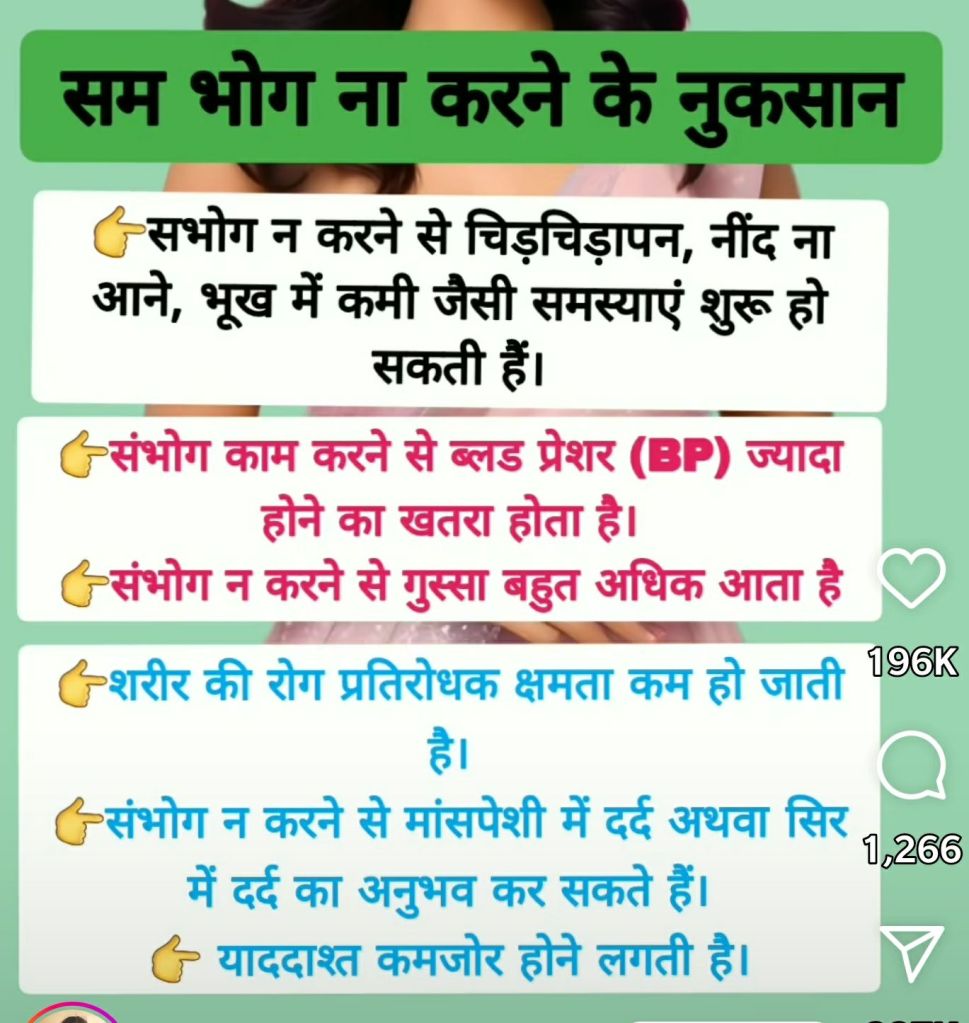
✨ कविता ✨ एक बार मुड़ कर देखिये …

राजीव वर्मा, स्वरचित एवं प्रकाशित 26-सितंबर-2024

जीवन के कुछ गूढ़ रहस्य,

आप और हम कभी नहीं समझ पायेंगे।

बन चुके हैं दुनियां का हिस्सा,

गिरते- सम्भलते, संघर्ष करते,

कुछ पा गये मंजिल, तो

कुछ न जाने कहां खो गए हैं …!

सच है लेकिन, कि

हमें हकीकतों ने पाला है ।

पांचवीं तक स्लेट की बत्ती को

जीभ से चाटकर कैल्शियम की

कमी पूरी करना हमारी आदत थी..

पढ़ाई के तनाव हमने …

पेन्सिल का पिछला हिस्सा

चबाकर मिटाया है …!

पुस्तक के बीच मोरपंख रखकर

हम होशियार हो जाएंगे,

ऐसा दृढ विश्वास हमने जगाया है।

किताबों पर जिल्द चढ़ाना,

रखकर नये थैले में उन्हें,

उत्सव था हमारा …!

कोई फ़िक्र नहीं थी माता – पिता को हमारी, 

सालों साल चरण उनके

न पडते थे स्कूल में,

न ही मालूम होता था,

पढ़ रहे हैं किस कक्षा में!

एक दोस्त को साईकिल के डंडे पर,

दूसरे को कैरियर पर बिठा कर,

न जाने हमने कितने रास्ते नापें हैं।

याद नहीं स्कूल में पिटते और मुर्गा बनते,

ईगो हमें कभी परेशान नहीं करता था,

सहज सामान्य प्रक्रिया थी पिटना पिटाना,

पिटने वाला, पीटने वाला दोनों खुश रहते थे,

पिटने वाला कि हम कम पिटे

पीटने वाला कि चलो हाथ साफ़ हुआ …!

अपने माता – पिता को कभी नहीं बता पाए,

हम उन्हें कितना प्यार करते हैं,

क्योंकि

हमें “आई लव यू” कहना आता ही नहीं था …!

पलटो एक बार फिर,

बचपन के पन्नो को,

दादाजी गाते थे …

मेरा नाम करेगा रोशन

जग में मेरा राज दुलारा।

हमारे ज़माने में हमने गाया …

पापा कहते है बड़ा नाम करेगा

अब हमारे बच्चे गा रहे हैं …

बापू सेहत के लिए …

तू तो हानिकारक है।

सही में हम,

कहाँ से कहाँ आ गए …!

इसलिए …

पहले भटूरे को फुलाने के लिये ..

उसमें ईनो डालिये..

फिर भटूरे से फूले पेट को …

पिचकाने के लिये ईनो पीजिये …

एक बार मुड़ कर  देखिये …

रिटायर्ड  बेचारा !

राजीव वर्मा, स्वरचित एवं प्रकाशित 23-सितंबर-2024

1. रिटायर व्यक्ति अगर देर तक सोया रहे तो….
बीवी : अब उठ भी जाइये !  आपके जैसा भी कोई सोता है क्या ? रिटायर हो गये तो इसका मतलब यह नहीं कि दोपहर तक सोते ही रहियेगा….!

2. रिटायर व्यक्ति अगर जल्दी उठ जाये तो….
बीवी: आपको तो बुढापे में नींद पड़ती नहीं, दूसरों को तो सोना है न।   एक दिन भी किसी को चैन से सोने नही देते हो, 5:30 बजे उठ कर बड़ बड़ करने लगते हो।  अब तो आफिस भी नहीं जाना होता,  चुपचाप सो जाइये और सबको सोने दीजिए…..!
                                                                        3. रिटायर व्यक्ति अगर घर पर ही रहे तो….                 
बीवी: सबेरा होते ही मोबाइल लेकर बैठ जाते हो और चाय पर चाय के लिए चिल्लाते रहते हो, कुछ काम अपने से भी कर लिया कीजिए । कभी घर से थोड़ा बाहर भी निकला करो, हमें भी चैन की सांस लेने दो। सब लोगों को कुछ न कुछ काम रहता है, यह आदमी दिन भर घर पर निठल्ला बैठा रहता है । यह नहीं होता है कि जल्दी से उठकर नहा धोकर नाश्ता पानी कर लें, अब इनके लिए सब लोग बैठे रहें….!

4. रिटायर व्यक्ति अगर घर से देर तक बाहर रहे तो….
बीवी : कहाँ थे आप इतनी देर से ? अब नौकरी भी नही है, फिर भी घर पर टिकना नहीं होता।  कभी अपने परिवार में भी बैठा करो।  कभी मुँह से भगवान का नाम भी ले लिया कीजिए…!

5. रिटायर व्यक्ति अगर पूजा करे तो…
बीवी : ये घन्टी बजाते रहने से कुछ नहीं होने वाला।  अगर ऐसा होता तो इस दुनिया के रईसों में टाटा या बिल गेट्स का नाम नहीं होता, बल्कि किसी पुजारी का नाम होता…! जब देखो कभी माला कभी घंटी, कभी राम राम।

6. अगर रिटायर व्यक्ति खाली समय में पैसा कमाने के लिए कुछ काम करे तो…
बीवी : हर वक़्त काम, काम ,काम। ये पैसे की मोह माया बुढ़ापे  में भी तुम्हे टिकने नहीं देती।  हम क्या यहाँ पर बंधुआ मजदूर हैं जो सारा दिन काम करें और शाम को आपका इंतज़ार किया करें…..?

7. रिटायर व्यक्ति अगर पत्नी को घुमाने के लिए किसी धार्मिक तीर्थ पर ले जाए तो…
बीवी : देखिये, सक्सेना जी अपनी बीबी को हर महीने घुमाने ले जाते हैं और वो भी शिमला और दार्जिलिंग जैसी जगहों पर, आपकी तरह “हरिद्वार” नहाने नहीं जाते….!

8. रिटायर व्यक्ति अगर अपनी जिंदगी भर की बचत से नैनीताल, मसूरी, गोवा, माउन्ट आबू, ऊटी जैसी जगहों पर घुमाने ले भी जाए तो….!
बीवी : अपना घर ही सबसे अच्छा, बेकार ही पैसे लुटाते फिरते है। लगता है फालतू पैसे आ गये हैं आपके पास जो ज्यादा ही उछल रहे हैं। अब टिक कर भी बैठना है कि  इधर उधर बंजारों की तरह घूमते ही रहना है। क्या रखा है घूमने में ?  इतने पैसे से अगर घर पर ही रहते तो पूरे 2 साल के लिए कपड़े खरीद सकते थे,  या फिर पूरे घर में पेंट करवा लेते!                                                                                                   

9.रिटायर व्यक्ति पुराने गानों का शौक़ीन हो तो… !                                                                बीवी:  बुढ़ापे में गाने भाते हैं, अब ज्यादा जवानी चढ़ने लगी है, कोई भजन या राम के नाम ही ले लिया करो…..!

10.रिटायर व्यक्ति अगर मन बहलाने के लिए फोन करे तो….!                                                                बीवी :  दिन भर फोन पर लगे रहते हो,  किस किस को फोन करते हो? हम तो नहीं करते किसी को…..फोन!                                                                                                                                 11. रिटायर व्यक्ति बन ठन कर घर में रहे तो….!
बीवी : बुढ़ापे में क्या सिंगार करते हो, जाना है कहीं क्या?  घर में ही सज धज कर बैठे रहते हो, बहुएं क्या कहेंगी.

पुत्र प्राप्ति हेतु उपाय

राजीव वर्मा स्वरचित एवं प्रकाशित 22-सितंबर-2024

हाथ में संतान रेखा कौन सी होती है?
हथेली में कनिष्ठिका अंगुली के मूल में बुध पर्वत पर ऊपर की ओर स्थित रेखा को संतान रेखा कहा जाता है. यह रेखा स्पष्ट होनी चाहिए. आपके हाथ में जिनती संतान रेखा होंगी, भविष्य में आपके उतने ही बच्चे होंगे.

कुंडली में पुत्र योग कब बनता है?
यदि पंचम स्थान का अधिपति सप्तम, नवम, ग्यारहवें, लग्नस्थ, द्वितीय में हो तो संतान से संबंधित सुख शुभ फल देता है। द्वितीय स्थान के स्वामी ग्रह पंचम में हो तो संतान सुख उत्तम होकर लक्ष्मीपति बनता है। पंचम स्थान का अधिपति छठे में हो तो दत्तक पुत्र लेने का योग बनता है।

कुंडली में जब संतान प्राप्ति कारक ग्रह बृहस्पति की दशा आती है अथवा कुंडली के पंचम भाव के स्वामी की दशा प्राप्त होती है या उन ग्रहों की दशा प्राप्त होती है, जो पंचम भाव से संबंध बना रहे हों और शुभ ग्रह हों तो जातक को संतान प्राप्ति के योग बन जाते हैं.

कुंडली में पुत्र का घर कौन सा होता है?
* ज्योतिष शास्त्र के अनुसार, जब कुंडली के पंचम भाव का स्‍वामी शुक्र के साथ हो तो 30 साल के बाद की उम्र में पुत्र होता है. वहीं पंचमेश और बृहस्‍पति 1-4-7-10 स्‍थानों में हो तो 36 वर्ष की आयु में संतान की प्राप्ति होती है.

* पंचम स्थान संतान का होता है। वही विद्या का भी माना जाता है। पंचम स्थान कारक गुरु और पंचम स्थान से पंचम स्थान (नवम स्थान) पुत्र सुख का स्थान होता है। पंचम स्थान गुरु का हो तो हानिकारक होता है, यानी पुत्र में बाधा आती है।

कुंडली में पुत्र योग कैसे चेक करें?
कुंडली में ग्यारवे स्थान में मंगल होने पर पुत्र संतान का योग बनता है। पुत्र सुख प्राप्त होता है। वंश वृद्धि के योग बनते है। कुंडली में लग्न में बृहस्पति होने पर पुत्र संतान का योग बनता है और पुत्र सुख प्राप्त होता है वंश वृद्धि होती है लेकिन कुंडली में बृहस्पति शनि राहु द्वारा किसी भी प्रकार से पीड़ित नहीं होना चाहिए।

कुंडली में पुत्र योग कैसे पता करें?
पुत्र प्राप्ति योग पर इसके प्रभाव का विश्लेषण करते समय, ज्योतिषी जन्म कुंडली के 5वें या 11वें घर में इसके स्थान को देखते हैं । इन घरों में एक मजबूत और अच्छी तरह से स्थित बृहस्पति संतान के लिए आशीर्वाद का संकेत देता है और बच्चे के जन्म के लिए एक सहायक वातावरण का संकेत देता है।

पुत्र प्राप्ति के लिए कौन सा ग्रह मजबूत होना चाहिए?
शनि की इन भावों में स्थिति शल्यक्रिया यानी ऑपरेशन से संतान प्राप्ति की ओर संकेत देती है.

पुत्र कारक ग्रह कौन से हैं?
ज्योतिषियों के अनुसार कुंडली में बृहस्‍पति संतान के प्रमुख कारक होते हैं। अगर पति-पत्‍नी दोनों की कुंडली में बृहस्‍पति शुभ स्‍थान में बैठे हों तो कंसीव करने और स्‍वस्‍थ प्रसव की संभावना अधिक होती है। वहीं अगर कुंडली में गुरु कमजोर हो या पीड़ित हो तो संतान प्राप्‍त करने में देरी आ सकती है।

ज्योतिष के अनुसार लड़का पैदा कैसे करें?
पुत्र होगा या पुत्री इसका भी निर्णय ग्रहों की स्थिति के आधार पर होता है.” संतान पाने के लिए इन ग्रहों को बनाएं मजबूत: यदि पुत्र संतान चाहते हैं, तो सूर्य गुरु और मंगल को शक्तिशाली बनाया जाना चाहिए, ताकि पुत्र की प्राप्ति हो. अन्य ग्रहों के प्रभाव से कन्या का जन्म होता है.

पुत्र प्राप्ति के लिए कौन सा दिन संबंध बनाना चाहिए?
इसके लिए आपको गरुण पुराण में बताए गए. इन नियमों का पालन करना होगा. पुत्र प्राप्ति के लिए महिला के मासिक धर्म समाप्त होने के 8वें,10वें, 12वें, 14वें और 16 दिन ही संबंध बनाने से पुत्र की प्राप्ति की संभावना रहती है. यह सम दिन माने जाते हैं.

पुत्र होगा या पुत्री कैसे जाने?
कहा जाता है कि अगर मां के बाल प्रेग्‍नेंसी में घने हो जाएं, तो इसका मतलब है कि लड़का होगा। वहीं अगर बाल पतले हो जाएं और बाल बहुत ज्‍यादा झड़ने लगे तो समझ लें कि बेटी होने वाली है। प्रेगनेंट महिला का प्रेग्‍नेंसी में वजन बढ़ने का मतलब है कि लड़की होगी लेकिन अगर सिर्फ पेट का आकार बढ़ रहा है, तो इसका मतलब है कि बेटा होगा।

पुत्र प्राप्ति के लिए पीरियड के कितने दिन बाद संबंध बनाना चाहिए?
गर्भधारण करने के लिए संबंध बनाने का सबसे सही समय ओव्यूलेशन के दौरान होता है। आमतौर पर पीरियड के पहले दिन से 14 से 16 दिनों के बाद संबंध बनाना बेहतर होता है। इस दौरान सेक्स करने से कंसीव करने की संभावना काफी बढ़ जाती है।

लड़का पैदा करने के लिए कौन सा दिन अच्छा होता है?
मूलतः उत्तर: 30 दिन के मासिक चक्र वाले व्यक्ति के लिए लड़का पैदा करने का सही समय क्या है आप केवल तभी गर्भवती हो सकती हैं जब आप ओवुलेशन के आस-पास की छोटी सी अवधि के दौरान सेक्स करें। यह आपके मासिक धर्म से लगभग 14 दिन पहले होता है।

कौन से महीने में पुत्र प्राप्त होता है?
सनातन धर्म के ज्योतिष शास्त्र के अनुसार प्रत्येक वर्ष में 24 एकादशी के व्रत आते हैं, लेकिन सावन के महीने की शुक्ल पक्ष की एकादशी को पुत्रदा एकादशी कहा जाता है. मान्यता है कि इस दिन भगवान विष्णु की आराधना करके विधि विधान से पूजा पाठ करने से सुयोग्य पुत्र रत्न की प्राप्ति होती है.

कौन से पक्ष में लड़का होता है?
* शुक्ल पक्ष में जैसे-जैसे तिथियां बढ़ती हैं, वैसे-वैसे चन्द्रमा की कलाएं बढ़ती हैं। इसी प्रकार ऋतुकाल की रात्रियों का क्रम जैसे-जैसे बढ़ता है, वैसे-वैसे पुत्र उत्पन्न होने की संभावना बढ़ती है, यानी छठवीं रात की अपेक्षा आठवीं, आठवीं की अपेक्षा दसवीं, दसवीं की अपेक्षा बारहवीं रात अधिक उपयुक्त होती है।

* “पूर्णिमा” के दिन गर्भाधान के प्रभाव से लड़का पैदा होता है और “अमावस्या” के दिन गर्भाधान के परिणामस्वरूप लड़की पैदा होती है।

कौन से महीने में गर्भ धारण करने से लड़का होता है?
गर्भ में भ्रूण धारण होता है, लड़का या लड़की नही. भ्रूण के लिंग का निर्धारण 16 सप्ताह या 110 दिन के पश्चात मातापिता के क्रोमोसोम एंव माता की गर्भ के दौरान ली एंव पचाइ डाईट के अनुसार होता है.

लड़का पैदा करने के लिए कौन सा फल खाना चाहिए?
कीवी फल में उच्च स्तर का जिंक होता है जो पुरुषों में टेस्टोस्टेरोन के स्तर को बढ़ाने के लिए बहुत अच्छा होता है। इससे शुक्राणुओं की संख्या को बढ़ावा मिलता है और गर्भधारण की संभावना भी बढ़ जाती है।

पुत्र प्राप्ति के लिए कौन सा स्वर चलना चाहिए?
यदि पुत्र चाहते हैं, तो स्त्री को हमेशा पुरुष के बाएं तरफ सोना चाहिए। कुछ देर बाएं करवट लेटने से दायां स्वर और दाहिनी करवट लेटने से बायां स्वर शुरू हो जाता है। ऐसे में दाईं ओर लेटने से पुरुष का दायां स्वर चलने लगेगा और बाईं ओर लेटी हुई स्त्री का बायां स्वर चलने लगेगा। यदि ऐसा संभव हुआ तो तभी मैथुन करना चाहिए।

गर्भ में लड़का हो तो क्या महसूस होता है?
अगर किसी स्त्री के गर्भ में लड़का पल रहा हो तो औरत के पैर ठंडे रहते और बाल झड़ने लगते हैं। इस दौरान महिला का मूड भी हमेशा बदलता रहता है। 4. जो महिलाएं गर्भावस्था के दौरान बाईं करवट लेकर सोना पसंद करती हैं तो समझ जाना चाहिए कि आपकी कोख में लड़का है।

शिवलिंग पर क्या चढ़ाने से पुत्र प्राप्ति होती है?
इस महीने में कुछ खास उपाय करने से आपका भाग्योदय हो सकता है शिवपुराण के अनुसार शिव जी को हरसिंगार के पुष्प चढ़ाने से धर में सुख-संपत्ति आती है वहीं धतूरे के फूल चढ़ाने से भगवान शंकर सुयोग्य पुत्र प्रदान करते हैं।

पुत्र प्राप्ति के लिए क्या पूजा करें?
दिनमें केवल एक बार ही भोजन करें। ऊं नम: शिवाय का जाप करते हुए दूध, दही, बेलपत्र, गंगाजल और चावल से भगवान का अभिषेक करें। पंचामृत से किया गया अभिषेक भगवान भोलेनाथ को बेहद प्रिय है।

पुत्र प्राप्ति के लिए कौन सा पाठ करना चाहिए?
संतान के लिए गोपाल मंत्र ॐ श्रीं ह्रीं क्लीं ग्लौं देवकीसुत गोविन्द वासुदेव जगत्पते देहि मे तनयं कृष्ण त्वामहं शरणं गतः का जाप करें।

पुत्र प्राप्ति के लिए कौन सा पुराण पढ़ना चाहिए?
गरुण पुराण के अनुसार सम दिन में संबंध बनाने से पुत्र की प्राप्ति होती है.

कौन से महीने में पुत्र प्राप्ति होती है?
गरुड़ पुराण में बताया गया है कि, पुत्र प्राप्ति के लिए स्त्री के मासिक धर्म समाप्त होने के 8वें, 10वें, 12वें, 14वें और 16वें दिन यानी सम दिनों के संबंध बनाने से पुत्र प्राप्ति की संभावना अधिक रहती है.

कौन से वार को संबंध बनाने से लड़का होता है?
शास्त्रों के अनुसार सोमवार, बुधवार, बृहस्पतिवार और शुक्रवार को संतान प्राप्ति के लिए बनाए गए संबंध सबसे ज्यादा शुभ माने जाते हैं।

पुत्र प्राप्ति के लिए कौन सा पेड़ लगाना चाहिए?
घर के आसपास पपीते का पेड़ लगाना शुभ माना जाता है। इससे जल्द संतान की प्राप्ति होती है।

पुत्र प्राप्ति के लिए क्या खाएं?
(1). स्वस्थ आहार: स्वस्थ और संतुलित आहार संतान प्राप्ति में मदद कर सकता है। आपको प्रोटीन, फल, सब्जियाँ, अनाज, हरे पत्ते, और दूध जैसे पोषण से भरपूर आहार लेना चाहिए।

(2). विटामिन और खनिजों की गहराई: ध्यान दें कि आपका आहार विभिन्न विटामिन और खनिजों से भरपूर हो, जैसे कि फॉलिक एसिड, आयरन, कैल्शियम, और विटामिन सी।

नारियल के बीज से पुत्र प्राप्ति कैसे होती है?
नारियल का फूल खाने से संतान की प्रप्ति होती है
नारियल का बीज संतान का रूप माना जाता है। सही विधि से नारियल के बीज के इस्तेमाल से भगवान शिव का आशीर्वाद प्राप्त होता है और भक्तों की मनोकामना पूरी होती है। नि:संतान दंपति को पुत्र की प्राप्ति होती है।

कौन-कौन सी तिथि को गर्भधारण नहीं करना चाहिए?
गर्भाधान श्राद्धपक्ष, ग्रहणकाल, पूर्णिमा व अमावस्या को नहीं किया जाना चाहिए। जब दंपती के गोचर में चंद्र, पंचमेश व शुक्र अशुभ भावगत हों, तब भी गर्भाधान उत्तम नहीं होता है। रजोदर्शन की 11वीं और 13वीं रात्रि को भी गर्भाधान शुभ नहीं कहा गया है।

महीने में कितनी बार शारीरिक संबंध बनाना चाहिए?
8–10 बार। इससे ज्यादा करेंगे तो ये मजे के बजाय काम में बदल जायेगा जैसे नहाना धोना खाना सोना आदि। महीने में कितनी बार सेक्स रिलेशन बनाना स्वास्थ्यप्रद यानि हेल्दी रहता है। ये आपकी ऊर्जा, एनर्जी पर निर्भर है।

संबंध बनाने के बाद स्त्री क्या चाहती है?
उसे संबंध बनाने के बाद भी पार्टनर के सानिध्य की जरूरत महसूस होती है। आज भी ज्यादातर कपल सेक्शुअल रिलेशन के पहले के सुख पर ध्यान देते हैं, जबकि महिलाओं को इसके बाद पार्टनर के सानिध्य की जरूरत होती है। महिला चाहती है कि सेक्सुअल संबंध के बाद भी पति उसे बाहों में भरे, प्यार करे। इससे उसे पूरी संतुष्टि मिलती है।

स्वर शास्त्र

राजीव वर्मा स्वरचित एवं प्रकाशित 22-सितंबर-2024

स्वर शास्त्र बड़ा विस्तृत है और उसमें स्वर के साथ ही तत्वों का विचार रखना भी आवश्यक होता है, तभी पूर्ण सफलता मिलती है। मनुष्य के शरीर में पृथ्वी, जल, अग्नि, वायु और आकाश तत्व का अवस्थान माना गया है और इनमें से एक समय में कोई एक तत्व उदय होता रहता है।

स्वर का दूसरा नाम क्या है?
सात स्वरों को ‘सप्तक’ कहा गया है, लेकिन ध्वनि की ऊँचाई और नीचाई के आधार पर संगीत में तीन तरह के सप्तक माने गये। साधारण ध्वनि को ‘मध्य’, मध्य से ऊपर की ध्वनि को ‘तार’ और मध्य से नीचे की ध्वनि को ‘मन्द्र’ सप्तक कहा जाता है।

शुद्ध स्वर कितना होता है?
स्वरों के दो प्रकार हैं- शुद्ध स्वर और विकृत स्वर। बारह स्वरों में से सात मुख्य स्वरों को शुद्ध स्वर कहते हैं अर्थात इन स्वरों को एक निश्चित स्थान दिया गया है और वो उस स्थान पर शुद्ध कहलाते हैं।

स्वर का पता कैसे लगाएं?
स्वर को पहचानने की सरल विधियां-
(1) तर्जनी अंगुली छिद्रों के नीचे रखकर श्वास बाहर फेंकिए। ऐसा करने पर आपको किसी एक छिद्र से श्वास का अधिक स्पर्श होगा। जिस तरफ के छिद्र से श्वास निकले, बस वही स्वर चल रहा है।

(2) एक छिद्र से अधिक एवं दूसरे छिद्र से कम वेग का श्वास निकलता प्रतीत हो तो यह सुषुम्ना के साथ मुख्य स्वर कहलाएगा।

किस तिथि को कौन-सा स्वर चलना शुभ होता है
सांस के माध्यम को हम योग की भाषा में स्वर कहते हैं। नाक के जिस छिद्र से सांस ली जाती है उसी छिद्र की दिशा के अनुसार ही दाएं स्वर चलना या बाएं स्वर चलना कहा जाता है। जिस प्रकार दिन में लग्न का परिवर्तन होता है, उसी प्रकार स्वर का परिवर्तन भी उसी समय में होता है।

पानी पीते समय कौन सा स्वर चलना चाहिए?
स्नान, भोजन, शौच आदि के वक्त दाहिना स्वर रखें। पानी, चाय, काफी आदि पेय पदार्थ पीने, पेशाब करने, अच्छे काम करने आदि में बांया स्वर होना चाहिए। जब शरीर अत्यधिक गर्मी महसूस करे तब दाहिनी करवट लेट लें और बांया स्वर शुरू कर दें।

अमावस्या को कौन सा स्वर चलना चाहिए?
कृष्णपक्ष की प्रतिपदा, द्वितीया, तृतीया, सप्तमी, अष्टमी, नवमी, त्रयोदशी, चतुर्दशी, अमावस्या- इन 9 दिनों में सूर्योदय के समय पहले दाहिनी नासिका से तथा चतुर्थी, पंचमी, षष्ठी, दशमी, एकादशी, द्वादशी- इन 6 दिनों में सूर्य के उदयकाल में पहले बाईं नासिका से श्वास आरंभ होता है और ढाई घड़ी के बाद दूसरी नासिका से चलता है।

उत्तरायण में कौन सा स्वर चलना चाहिए?
दक्षिणायन शुरू होने के दिन प्रातःकाल जगते ही यदि चन्द्र स्वर हो तो पूरे छह माह अच्छे गुजरते हैं। इसी प्रकार उत्तरायण शुरू होने के दिन प्रातः जगते ही सूर्य स्वर हो तो पूरे छह माह बढ़िया गुजरते हैं।

चंद्र स्वर क्या होते हैं?
नाक के दाहिने छिद्र को दाहिना स्वर या सूर्य स्वर अथवा पिंगला नाड़ी कहा जाता है और बायें छिद्र को बायां स्वर या चंद्र स्वर अथवा इडा नाड़ी कहा जाता है। इन्हें कंट्रोल करने से हम अपनी पूरी दिनचर्या, स्वास्थ्य, एनर्जी और दिमाग की क्षमता को बढ़ा सकते हैं। इसे स्वरोदय चिकित्सा से भी जोड़ा गया है।

सोते समय कौन सा नथुना सक्रिय होना चाहिए?
अगर आपकी दाईं नासिका ज़्यादा खुली हुई लगती है, तो आप जिस भी तरफ़ चाहें सो सकते हैं। लेकिन, अगर आपकी बाईं नासिका ज़्यादा खुली हुई लगती है, तो आपको अपनी बाईं तरफ़ सोने की सलाह दी जाती है । उन्होंने कहा कि सुबह उठने पर बिस्तर से बाहर निकलने से पहले अपनी दाईं तरफ़ करवट लें।

दाहिनी नासिका प्रमुख होने पर क्या करना चाहिए?
दूसरे शब्दों में, आप छह की गिनती तक बाएं नथुने से सांस लेंगे, अपनी उंगली से दाएं नथुने को बंद रखेंगे। तीन गिनती तक सांस रोककर रखें। फिर दाएं नथुने को छोड़ें और छह की गिनती तक सांस छोड़ें, अपनी उंगली से बाएं नथुने को बंद करें और छह की गिनती तक दाएं नथुने से सांस लें।

नहाते समय कौन सा स्वर चलना चाहिए?
बाएं नथुने का चलना बायां या चंद्रस्वर, दाएं नथुने का चलना दायां या सूर्य स्वर तथा दोनों के बीच सम स्थिति को संधि स्वर कहा जाता है।

घर से निकलते समय कौन सा स्वर चलना चाहिए?
ज्योतिष के अनुसार यदि किसी यात्रा को शुभ और सफल बनाने के लिए हमेशा घर से निकलते समय स्वर का विशेष ध्यान रखें. यदि आपकी नासिका का दायां स्वर चले तो अपना दायां पैर पहले निकाले और बायां स्वर चल रहा हो तो अपना बायां पैर घर की डेहरी से पहले निकालें.

सुषुम्ना स्वर क्या होते हैं?
स्वर तीन प्रकार के होते हैं -सूर्य, चंद्र और सुषुम्ना स्वर.
स्वरोदय विज्ञान के अनुसार अगर श्वास दाहिने छिद्र से बाहर निकल रही है तो यह सूर्य स्वर होगा। इसके विपरीत यदि श्वास बाएं छिद्र से निकल रही है तो यह चंद्र स्वर होगा एवं यदि जब दोनों छिद्रों से निःश्वास निकलता महसूस करें तो यह सुषुम्ना स्वर कहलाएगा।

पिंगला और इड़ा क्या है?
पिंगला बहिर्मुखी (सक्रिय) सौर नाड़ी है, और शरीर के दाहिने हिस्से और मस्तिष्क के बाएं हिस्से से मेल खाती है। इडा अंतर्मुखी, चंद्र नाड़ी है, और शरीर के बाएं हिस्से और मस्तिष्क के दाहिने हिस्से से मेल खाती है।

नाक का कौन सा स्वर चलना चाहिए?
नाक के दाहिने छिद्र से चलने वाले स्वर को सूर्य स्वर कहते हैं। बाएं छिद्र से चलने वाले स्वर को चंद्र स्वर कहते हैं। योग विद्या के अनुसार इन्हें इडा और पिंगला भी कहते हैं। दोनों छिद्रों से चलने वाले श्वास को सुषुम्ना स्वर कहते हैं।

पिंगला नाड़ी से कौन सा श्वास बाहर आता है?
जिन लोगों की दायीं यानी पिंगला नाड़ी अधिक सक्रिय होती है, वे बहिर्मुखी होते हैं। जैसे ही यह सक्रिय होती है, दायीं नासिका से श्वास-प्रश्वास अधिक होने लगता है।

इड़ा और पिंगला को संतुलित कैसे करें?
नाड़ी शोधन (नाक से सांस लेना) इडा और पिंगला में संतुलन लाने के सबसे शक्तिशाली तरीकों में से एक है। चूंकि आप प्रत्येक नासिका से सांस लेना बदलते हैं, इसलिए यह नाड़ियों में संतुलन की भावना लाता है। और आसन अभ्यास के बाद किया जाने वाला यह आपके द्वारा किए गए किसी भी असंतुलन को बेअसर करने में मदद कर सकता है।

अर्द्ध स्वर क्या होते हैं?
ध्वनिविज्ञान और ध्वनिविज्ञान में, अर्धस्वर , ग्लाइड या अर्धव्यंजन एक ऐसी ध्वनि है जो ध्वन्यात्मक रूप से स्वर ध्वनि के समान होती है लेकिन एक शब्दांश के नाभिक के बजाय शब्दांश सीमा के रूप में कार्य करती है। अंग्रेजी में अर्धस्वरों के उदाहरण क्रमशः yes और west में व्यंजन y और w हैं।

बायीं नासिका श्वास क्या है?
जब प्रेरणा और समाप्ति (एक श्वास चक्र) केवल बाएं नथुने द्वारा पूरा किया जाता है, उस समय के लिए दायां नथुना बंद होता है, इस प्रकार के श्वास अभ्यास को ” चंद्र अनुलोम विलोम ” प्राणायाम कहा जाता है; यह श्वास अभ्यास गर्मी को शीतलन प्रभाव में स्थानांतरित करेगा

दाहिनी नासिका से सांस लेने का क्या मतलब है?
योगिक अभ्यास से पता चलता है, और वैज्ञानिक प्रमाण भी दर्शाते हैं, कि दाएं नथुने से ली गई सांस अपेक्षाकृत उच्चतर सहानुभूति गतिविधि (उत्तेजना की स्थिति) से जुड़ी होती है, जबकि बाएं नथुने से ली गई सांस अपेक्षाकृत अधिक पैरासिम्पेथेटिक गतिविधि (तनाव कम करने वाली स्थिति) से जुड़ी होती है।

बासी मुंह पानी पीने से कौन सी बीमारी ठीक होती है?
सुबह बासी मुंह पानी पीने से हाई बीपी और ब्‍लड शुगर की समस्या को कंट्रोल किया जा सकता है। इसके लिए सुबह उठकर एक गिलास गुनगुना पानी पिएं। सुबह उठते ही बिना ब्रश पानी का सेवन आपके पाचन तंत्र को मजबूत करता है। यह आदत एसिडिटी, कब्ज, गैस को खत्म करके हेल्दी डाइजेशन बनाए रखने में मदद करती है।

✨ कविता ✨ बाग़बान

राजीव वर्मा, संकलित एवं प्रकाशित 13-सितंबर-2024

अच्छी थी, पगडंडी अपनी।
सड़कों पर तो, जाम बहुत है।।

फुर्र हो गई फुर्सत, अब तो।
सबके पास, काम बहुत है।।

नहीं जरूरत, बूढ़ों की अब।
हर बच्चा, बुद्धिमान बहुत है।।

उजड़ गए, सब बाग बगीचे।
दो गमलों में, शान बहुत है।।

मट्ठा, दही, नहीं खाते हैं।
कहते हैं, ज़ुकाम बहुत है।।

पीते हैं, जब चाय, तब कहीं।
कहते हैं, आराम बहुत है।।

बंद हो गई, चिट्ठी, पत्री।
व्हाट्सएप पर, पैगाम बहुत है।।

आदी हैं, ए.सी. के इतने।
कहते बाहर, घाम बहुत है।।

झुके-झुके, स्कूली बच्चे।
बस्तों में, सामान बहुत है।।

नही बचे, कोई सम्बन्धी।
अकड़,ऐंठ,अहसान बहुत है।।

सुविधाओं का, ढेर लगा है।
पर इंसान, परेशान बहुत है

ये जिंदगी आपकी है !

राजीव वर्मा स्वरचित संकलित एवं प्रकाशित 12-सितंबर-2024

जरा जिंदगी के क्रम पर नजर डालें। बचपन में ढेर सारे नाते रिश्तेदार, ढेर सारे दोस्त, ढेर सारे खेल, खिलौने..। थोड़े बड़े हुए तो पाबंदियां शुरू। जैसे जैसे पढ़ाई आगे बढ़ी, कामयाबी का फितूर, आंखों में ढेर सारे सपने। कामयाबी मिली, सपने पूरे हुए, आलीशान जिंदगी मिली, फिर अपना घर, अपना निजी परिवार। हम दो, हमारा एक, किसी और की एंट्री बैन। दोस्त-नाते रिश्तेदार छूटे। यही तो है शहरी जिंदगी। दो पड़ोसी बरसों से साथ रहते हैं, लेकिन नाम नहीं जानते हैं एक-दूसरे का। क्यों जानें, क्या मतलब है। हम क्यों पूछें..।

ये जिंदगी अनमोल है, सबसे पहले अपने लिए जीना सीखिए। जंगल में हिरन से लेकर भेड़िए तक झुंड बना लेते हैं, लेकिन इंसान क्यों अकेला रहना चाहता है। गरीबी से ज्यादा अकेलापन तो अमीरी देती है। क्यों जवानी के दोस्त बढ़ती उम्र के साथ छूटते जाते हैं। नाते रिश्तेदार सिमटते जाते हैं..।

दुनिया का सबसे घातक डायलॉग है-‘हम तो अपने बच्चों के लिए जी रहे हैं, बस सब सही रास्ते पर लग जाएं।’ अगर ये सही है तो फिर बच्चों के कामयाब होने के बाद आपके जीने की जरूरत क्यों है। यही तो चाहते हैं कि बच्चे कामयाब हो जाएं। कहीं ये हिडेन एजेंडा तो नहीं कि बच्चे कामयाब होंगे तो उनके साथ बुढ़ापे में हम लोग मौज मारेंगे..?

हमारे बच्चे कामयाब हैं, दोनों अपने बच्चों के लिए जिए, तो फिर अब उनका काम खत्म हो गया, जीने की जरूरत क्या है। क्यों खुद को हमने बेटे तक सीमित कर लिया। सही उम्र में क्यों नहीं सोचा कि बेटा अगर नालायक निकल गया तो कैसे जिएंगी। जब दम रहेगा, दौलत रहेगी, तब सामाजिक सरोकार टूटे रहेंगे, ऐसे में उम्र थकने पर तो अकेलापन ही हासिल होगा।

इस दुनिया का सबसे बड़ा भय है अकेलापन। व्हाट्सएप, फेसबुक के सहारे जिंदगी नहीं कटने वाली। जीना है तो घर से निकलना होगा, रिश्ते बनाने होंगे। दोस्ती गांठनी होगी। पड़ोसियों से बातचीत करनी होगी। आज के फ्लैट कल्चर वाले महानगरीय जीवन में सबसे बड़ी चुनौती तो ये है कि खुदा न खासता आपकी मौत हो गई तो क्या कंधा देने वाले चार लोगों का इंतजाम आपने कर रखा है..? जिन पड़ोसियों के लिए नो एंट्री का बोर्ड लगा रखा था, जिन्हें कभी आपने घर नहीं बुलाया, वो भला आपको घाट तक पहुंचाने क्यों जाएंगे..?

याद कीजिए दो फिल्मों को। एक अवतार, दूसरी बागबां। अवतार फिल्म में नायक अवतार (राजेश खन्ना) बेटों से बेदखल होकर अगर जिंदगी में दोबारा उठ खड़ा हुआ तो उसके पीछे दो वजहें थीं। एक तो अवतार के दोस्त थे, दूसरे एक वफादार नौकर, जिसे अवतार ने अपने बेटों की तरह पाला था। वक्त पड़ने पर यही लोग काम आए। बागबां के राज मल्होत्रा (अमिताभ बच्चन) बेटों से बेइज्जत हुए, लेकिन दूसरी पारी में बेटों से बड़ी कामयाबी कैसे हासिल की, क्योंकि उन्होंने एक अनाथ बच्चे (सलमान खान) को अपने बेटे की तरह पाला था, उन्हें मोटा भाई कहने वाला दोस्त (परेश रावल) था, नए दौर में नई पीढ़ी से जुड़े रहने की कूव्वत थी। 

जरा दो खबरों पर जरा नजर डालिए –

पहली – 12 हजार करोड़ रुपये की मालियत वाले रेमंड ग्रुप के मालिक विजयपत सिंघानिया पैदल हो गए। बेटे ने पैसे-पैसे के लिए मोहताज कर दिया।

दूसरी – करोड़ों रुपये के फ्लैट्स की मालकिन आशा साहनी का मुंबई के उनके फ्लैट में कंकाल मिला। 

विजयपत सिंघानिया और आशा साहनी, दोनों ही अपने बेटों को अपनी दुनिया समझते थे। पढ़ा-लिखाकर योग्य बनाकर उन्हें अपने से ज्यादा कामयाबी की बुलंदी पर देखना चाहते थे। हर मां, हर पिता की यही इच्छा होती है।

विजयपत सिंघानिया ने यही सपना देखा होगा कि उनका बेटा उनकी विरासत संभाले, उनके कारोबार को और भी ऊंचाइयों पर ले जाए। आशा साहनी और विजयपत सिंघानिया दोनों की इच्छा पूरी हो गई। आशा का बेटा विदेश में आलीशान जिंदगी जीने लगा, सिंघानिया के बेटे गौतम ने उनका कारोबार संभाल लिया, तो फिर कहां चूक गए थे दोनों।

क्यों आशा साहनी कंकाल बन गईं, क्यों विजयपत सिंघानिया 78 साल की उम्र में सड़क पर आ गए। मुकेश अंबानी के राजमहल से ऊंचा जेके हाउस बनवाया था, लेकिन अब किराए के फ्लैट में रहने पर मजबूर हैं। तो क्या दोषी सिर्फ उनके बच्चे हैं..?

विजयपत सिंघानिया के मरने के बाद सब कुछ तो वैसे भी गौतम सिंघानिया का ही होने वाला था, तो फिर क्यों जीते जी सब कुछ बेटे को सौंप दिया..? क्यों संतान की मुहब्बत में ये भूल गए कि इंसान की फितरत किसी भी वक्त बदल सकती है।

जो गलती विजयपत सिंघानिया ने की, आशा साहनी ने की, वो आप मत कीजिए। रिश्तों और दोस्ती की बागबानी को सींचते रहिए, ये जिंदगी आपकी है, बच्चों की बजाय पहले खुद के लिए जिंदा रहिए। आप जिंदा रहेंगे, बच्चे जिंदा रहेंगे। अपेक्षा किसी से भी मत कीजिए, क्योंकि अपेक्षाएं ही दुख का कारण हैं।